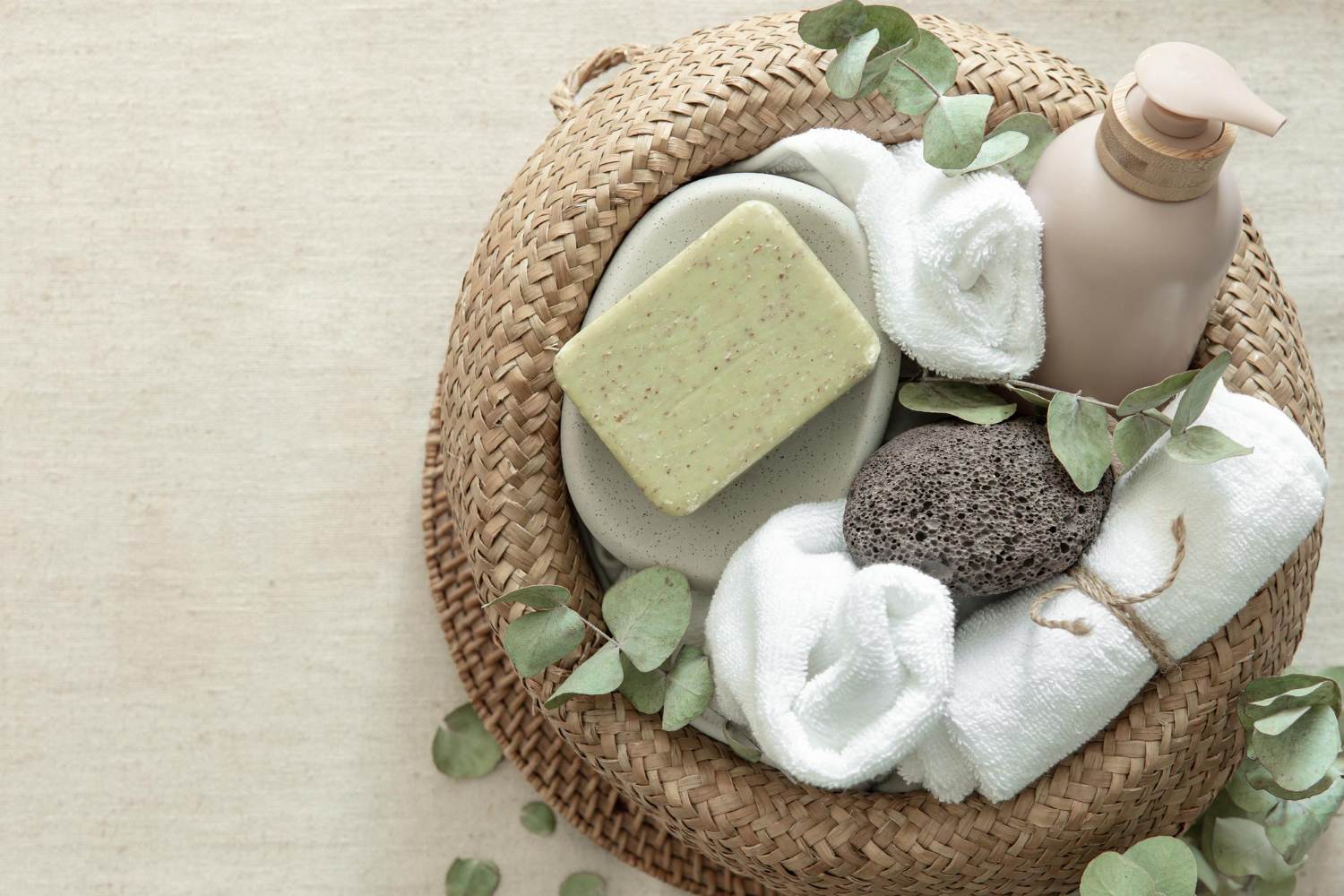
Eucalyptus body wash is commonly chosen for its crisp, recognisable scent. In a warm climate or after a busy day, that aroma can make a shower feel fresh and restorative. The sensory experience is real, but it is important not to turn a pleasant scent into a medical promise.
A body wash is a complete rinse-off formulation. Eucalyptus oil may be one component alongside surfactants, water, humectants, preservatives, thickeners, and other aromatic ingredients. Understanding that larger picture helps consumers compare products more realistically.
What eucalyptus contributes
Eucalyptus essential oil is an aromatic material obtained from eucalyptus plant matter. In personal-care products it is often used for fragrance and product character. Different eucalyptus species and processing methods can produce somewhat different aroma profiles, while the amount used in a finished cleanser affects how noticeable it is.
Descriptions such as cooling, refreshing, or invigorating are usually sensory. They explain how a product may smell or feel, not that it treats breathing problems, infections, body acne, eczema, or other health concerns. A cosmetic cleanser should be evaluated according to its intended use and current label.
Why the complete formula matters
Surfactants perform most of the day-to-day cleansing work by helping oils and residues rinse away. Supporting ingredients influence texture, stability, preservation, scent, and after-wash feel. Eucalyptus oil does not tell you whether a wash is mild, strongly cleansing, heavily fragranced, or suitable for daily use.
Ingredient lists use standardised names that can look unfamiliar. Eucalyptus may appear under a botanical name such as Eucalyptus globulus oil. Related fragrance components may also be listed. The guide to body wash ingredient labels explains how to group ingredients by function rather than judging them by name length.
Scent preferences and skin tolerance
Natural aromatic ingredients are still fragrant ingredients. Some users enjoy them, while others prefer an unscented routine or know that perfumed products can be uncomfortable. "Natural" does not mean reaction-free, and "essential oil" does not make a product suitable for every age or skin condition.
Check whether the front-label description matches the full ingredient list. If a product is promoted as fragrance-free but also promises a lasting essential-oil scent, ask for clarification and rely on current packaging. Marketing language, online copy, and formulas can change at different times.
Scent intensity can also change during use. A bottle may smell strong when opened but leave only a light aroma after rinsing, or the scent may remain noticeable on a washing accessory. People who share a bathroom should consider ventilation and the preferences of others rather than judging only from a quick smell in a shop.
Sampling a smaller bottle first can be more sensible than committing to a family-size pack based on aroma alone.
Using a eucalyptus wash in an everyday routine
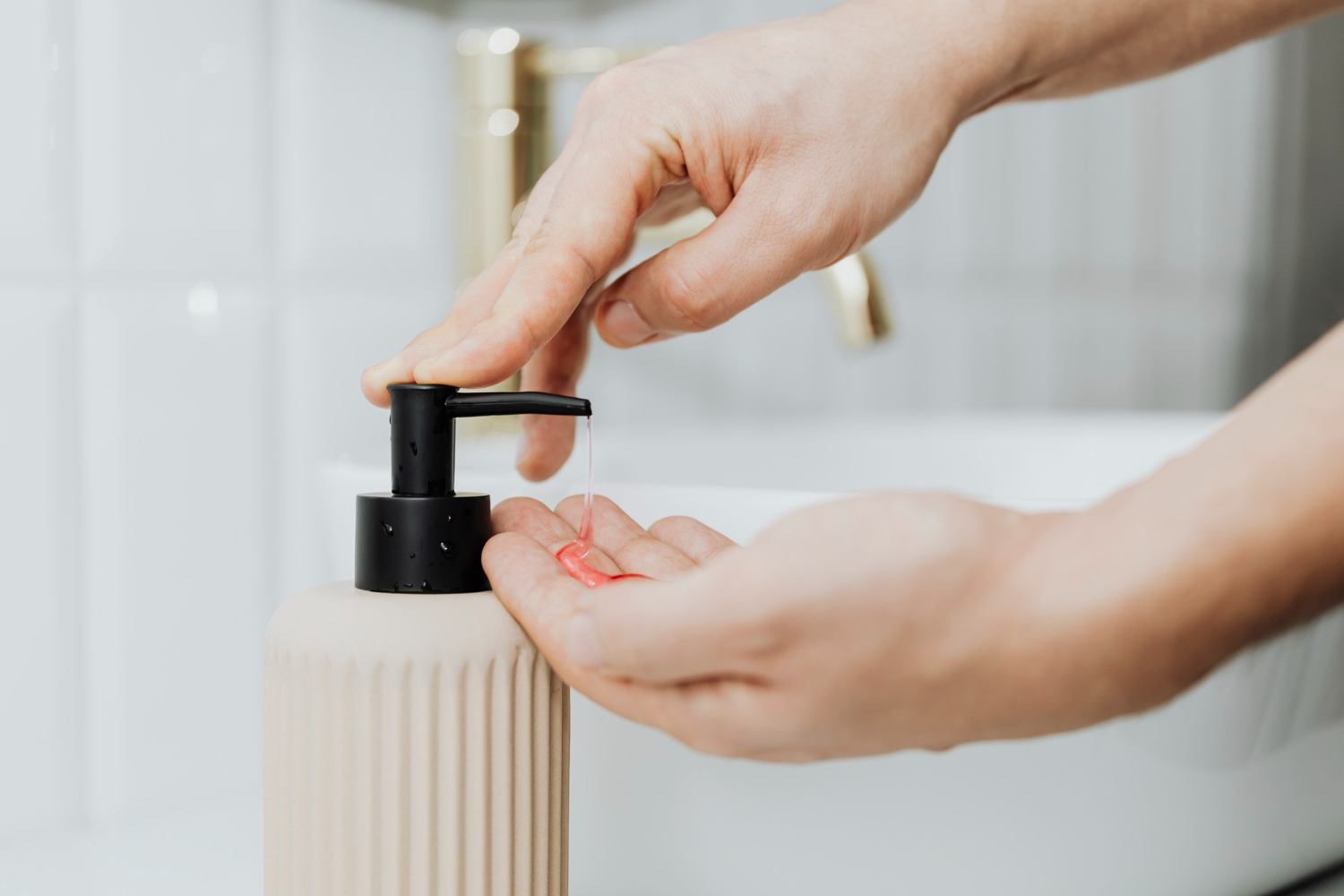
Follow the bottle directions. A typical approach is to wet the body, dispense a small amount onto the hand or washing accessory, spread gently, and rinse thoroughly. Avoid the eyes and do not use the product internally. Aggressive scrubbing is unnecessary for routine cleansing and may leave skin uncomfortable.
In a shared bathroom, close the container after use and keep it away from direct sunlight or excessive heat. Do not dilute the remaining wash with water. If the scent or formula is new to you, introduce it cautiously rather than changing several personal-care products at once.
What to compare before choosing
Decide whether eucalyptus is the main reason for purchase or simply one feature. Then compare the surfactant system, other fragrant ingredients, preservatives, directions, warnings, bottle design, volume, and expected frequency of use. The main antibacterial body wash guide provides a broader checklist when the product also carries an antibacterial claim.
For households, scent strength can be divisive. One family member may enjoy a strong aroma while another avoids it. The family body wash checklist helps decide whether one shared product is realistic or separate options would be simpler.