Start with the inspection need, not the equipment label
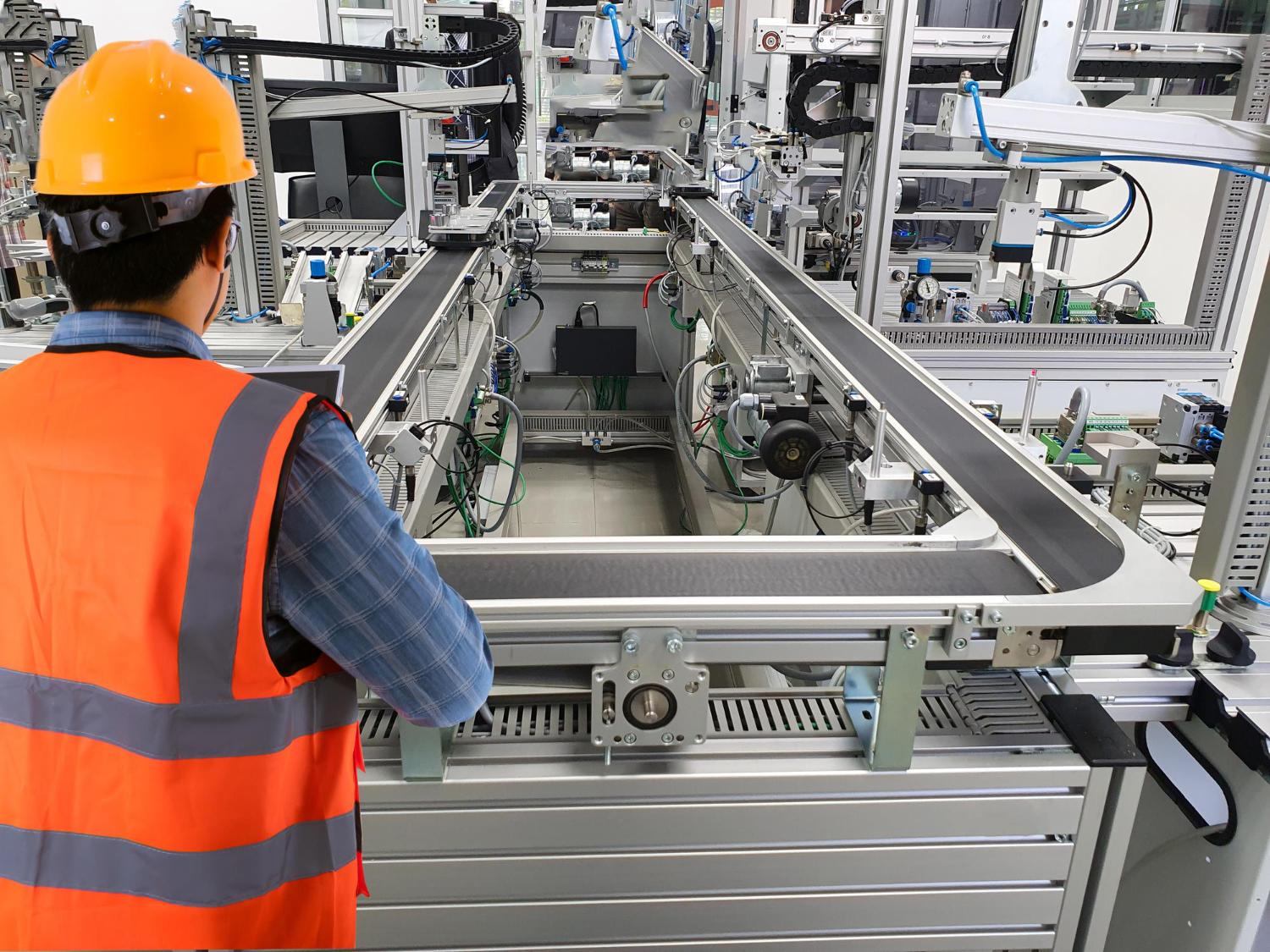
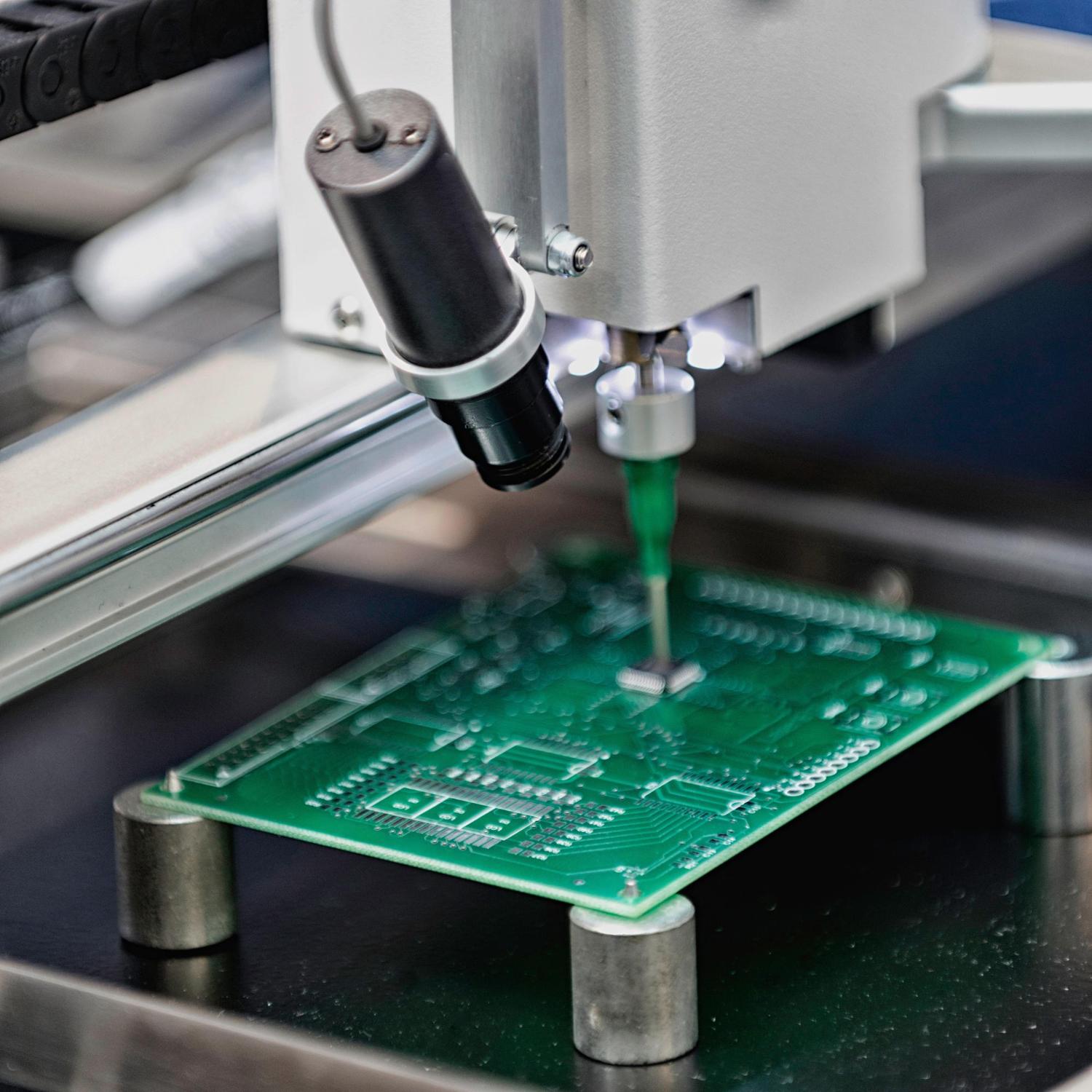
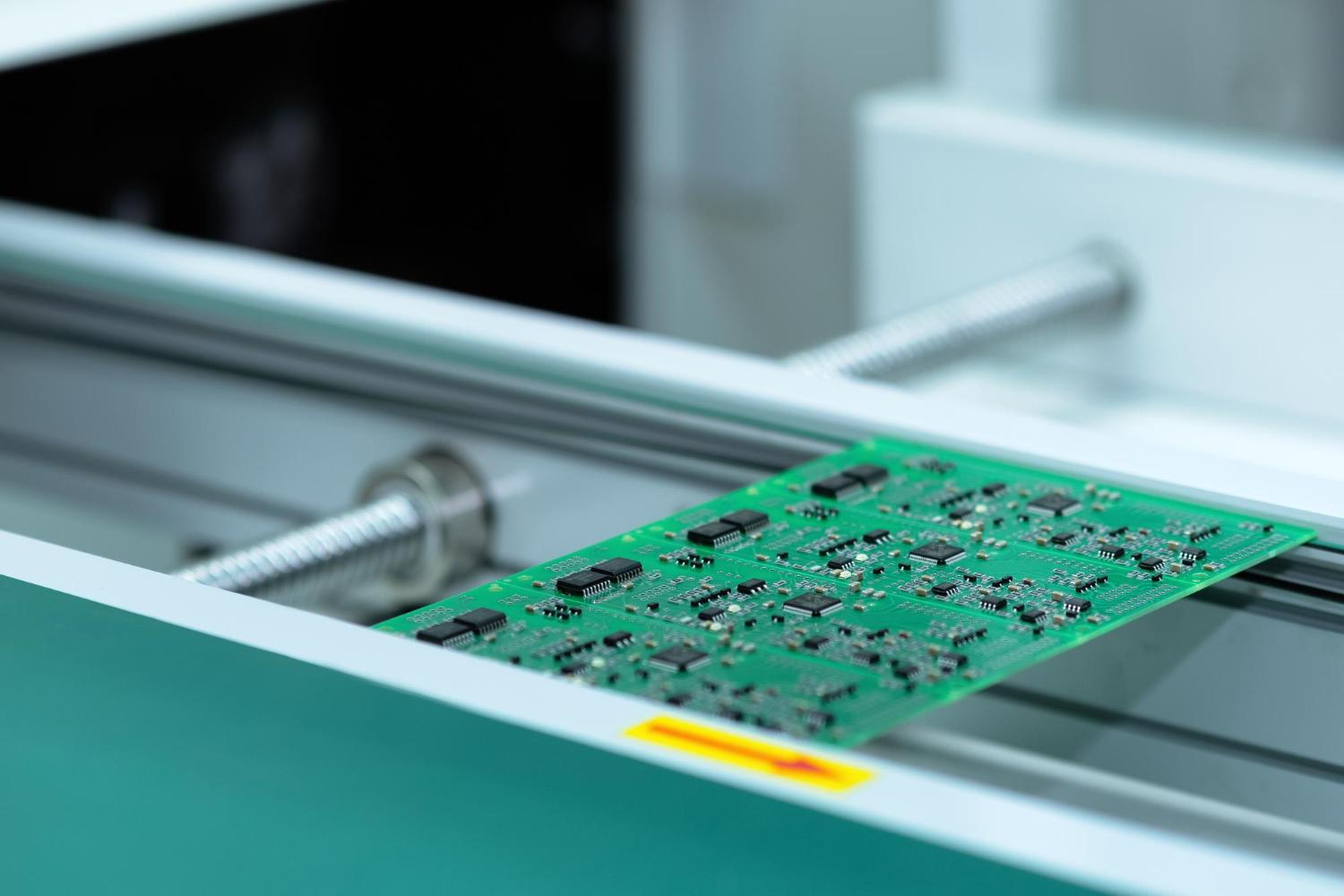
Industrial vision projects connect cameras, lighting, handling, software, production data, and quality decisions. The useful starting point is a clear list of products, visible defect risks, line conditions, and actions required when a result is outside the agreed limit.
These guides explain AOI in practical language for production, quality, engineering, and purchasing teams. They cover what the technology can observe, where its limits sit, and how to compare proposals without assuming one machine replaces every other inspection or test.
An inspection project normally involves more than the quality department. Production personnel understand takt time, changeovers, stoppages, and operator workflow. Process engineers know where variation begins. Maintenance teams need safe access, backups, calibration routines, and support arrangements. Information-technology or manufacturing-system teams may manage recipes, product identity, image storage, and traceability. Bringing these roles together early creates a more realistic scope.
For Malaysian manufacturers, the practical questions are the same whether equipment is sourced locally or internationally: can the proposed configuration inspect the actual product range, can support respond within the required time, and can the factory maintain programs after handover? A polished demonstration should therefore be followed by evidence from representative samples, realistic line speed, normal variation, and known defects.
Cost comparisons should include engineering and ownership, not only the machine price. Programming effort, fixtures, conveyors, review stations, data storage, training, preventive maintenance, spare parts, false-call review, and future product changes can affect long-term value. A simpler configuration that the team can control may be more useful than a feature-rich system that is difficult to validate or support.
Requirements should be validated with representative production samples and qualified engineering personnel. Capability depends on the exact product, process, optical access, configuration, and acceptance criteria.