A family body wash promises convenience: one bottle, one place to store it, and fewer half-used products around the shower. Convenience is valuable, but "family" is a broad description. A toddler, teenager, active adult, and older person may have different routines, scent preferences, and skin concerns.
The goal is not to find a cleanser that makes the biggest number of promises. It is to choose a rinse-off product with clear age guidance, understandable directions, sensible warnings, and a formula that the intended users can tolerate.
Start with the people, not the bottle size
List who is expected to use the wash. Check whether the manufacturer provides a minimum age or other restrictions. Children should use personal-care products with appropriate supervision, and caregivers should not assume that a "natural" or "family" label replaces age-specific directions.
Consider known fragrance preferences and previous reactions. If one person avoids essential oils or perfumed products, a strongly aromatic shared wash is unlikely to be practical. Separate cleansers may be simpler than asking everyone to compromise.
Review ingredients, directions, and warnings
Read the complete ingredient list and identify cleansing agents, aromatic ingredients, preservatives, and anything a user already knows they avoid. The ingredient-list guide provides a plain-language method for doing this without labelling unfamiliar names as automatically harmful.
Directions should explain how the cleanser is applied and rinsed. Warnings commonly cover eye contact, external use, irritation, child access, and storage. If the online description makes claims that conflict with the package, ask for clarification before relying on them.
Families considering an antibacterial claim can use the main antibacterial body wash guide to separate everyday cleansing from medical expectations.
Do not overlook washing accessories. Sponges, cloths, and mesh puffs stay damp if they are not rinsed and dried properly. Each user may prefer a separate accessory, and worn items should be replaced when they no longer clean or dry well. The body wash cannot compensate for an accessory that is poorly maintained.
Make the shared setup practical
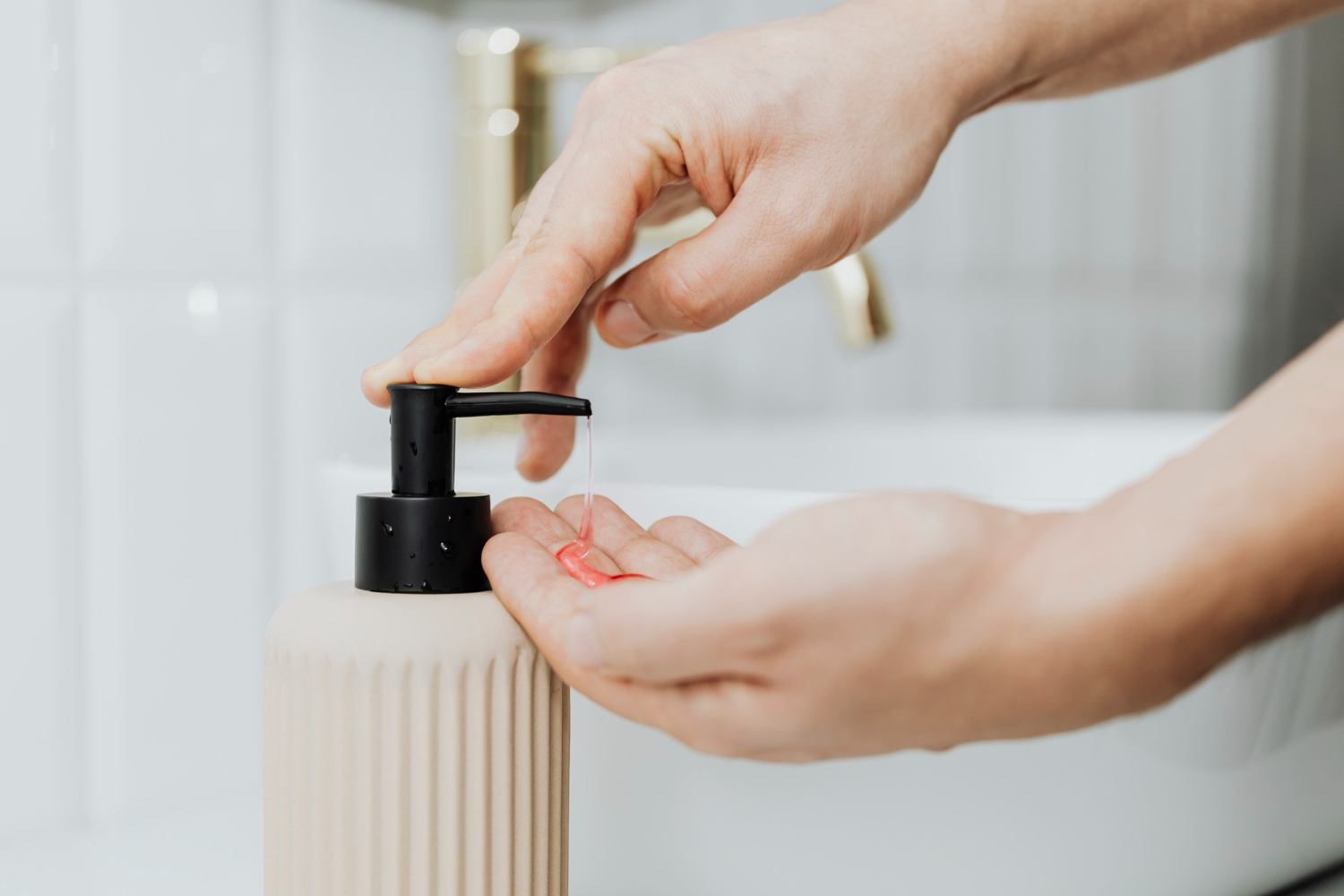
A stable pump is convenient because users can dispense a small amount without lifting a slippery bottle. Place it where children cannot play with the contents and where direct shower spray will not constantly cover the pump. Close or clean the dispenser as directed.
Do not top up an old container indefinitely or add water to stretch the product. If using a refill, follow its instructions and clean the reusable bottle appropriately before refilling. Marking the opening date can help households notice how quickly the product is used.
Introduce one new product at a time
A large family bottle may look economical, but a smaller first purchase reduces waste if the scent or skin feel is unpopular. Let users try the cleanser according to its directions and pay attention to persistent dryness, stinging, redness, or discomfort.
People with a history of reacting to cleansers may choose a cautious small-area trial. The body wash patch-test guide explains the limits as well as the steps. Do not test on already irritated or broken skin.
Compare value by realistic use
Bottle volume alone does not show value. Compare price, pump output, how much is needed per wash, number of users, availability of refills, and whether the product is actually comfortable enough to finish. An inexpensive formula that remains unused is not good value.
Also consider bathroom space and waste. One shared bottle can reduce clutter, while separate products may prevent unsuitable use. Recycling claims should be checked against local collection options because accepted packaging varies by area.
Review the decision after a few weeks. Notice whether the pump is easy for everyone to operate, whether users dispense more than expected, and whether anyone quietly returns to a different cleanser. A family product should simplify the routine in practice, not merely look economical on the receipt. Keeping the preferred alternative available can prevent unsuitable sharing.
A simple household rule also helps: nobody should continue with a cleanser that causes discomfort merely because it was bought in a large bottle.