
Personal hygiene
Antibacterial Body Wash: What to Know Before Choosing One
An antibacterial claim can sound reassuring, but the useful questions are more practical: what is in the formula, how is it used, and how does your skin respond?
Understand body cleansers, ingredient labels, product claims, and practical routines before deciding what belongs in your bathroom.
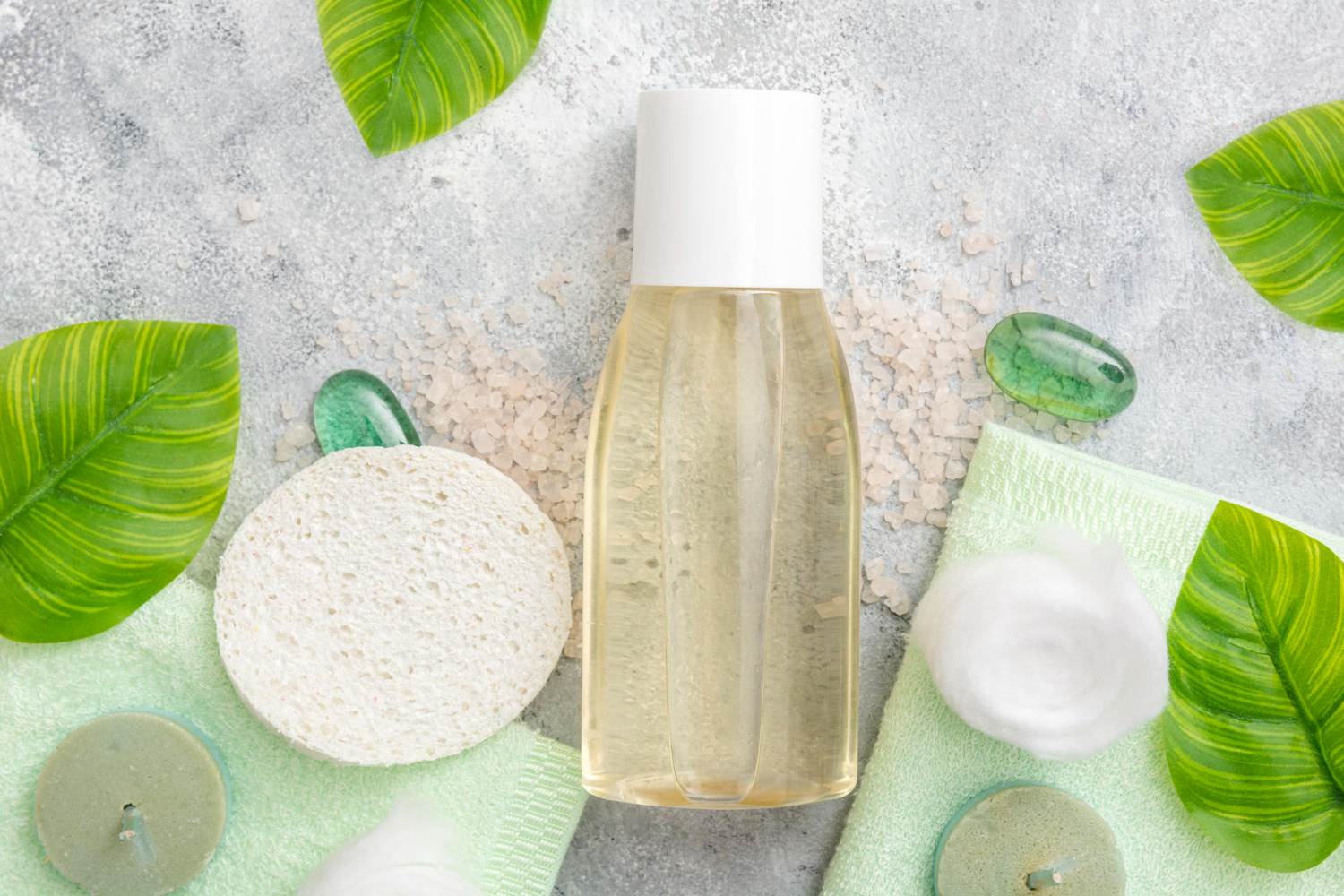
Personal-care products are used close to the body and often become part of an everyday routine. That makes clear information important. A front label may highlight antibacterial properties, botanical oils, family use, or a fresh scent, but shoppers still need to understand what the product is, how it works, and what to check before use.
These guides focus on rinse-off body cleansers available to Malaysian consumers. They explain common ingredient roles, the difference between liquid and solid formats, how eucalyptus affects the sensory experience, and how to introduce a new wash cautiously. The aim is not to diagnose skin concerns or recommend one brand. It is to make product information easier to interpret.
Start with the current packaging. Compare the complete ingredient list with the claims, read directions and warnings, and consider who will use the product. Online descriptions are useful for research, but labels and formulations can change. Persistent irritation, broken skin, suspected infection, or other ongoing concerns should be discussed with a qualified healthcare professional.
An antibacterial claim can sound reassuring, but the useful questions are more practical: what is in the formula, how is it used, and how does your skin respond?
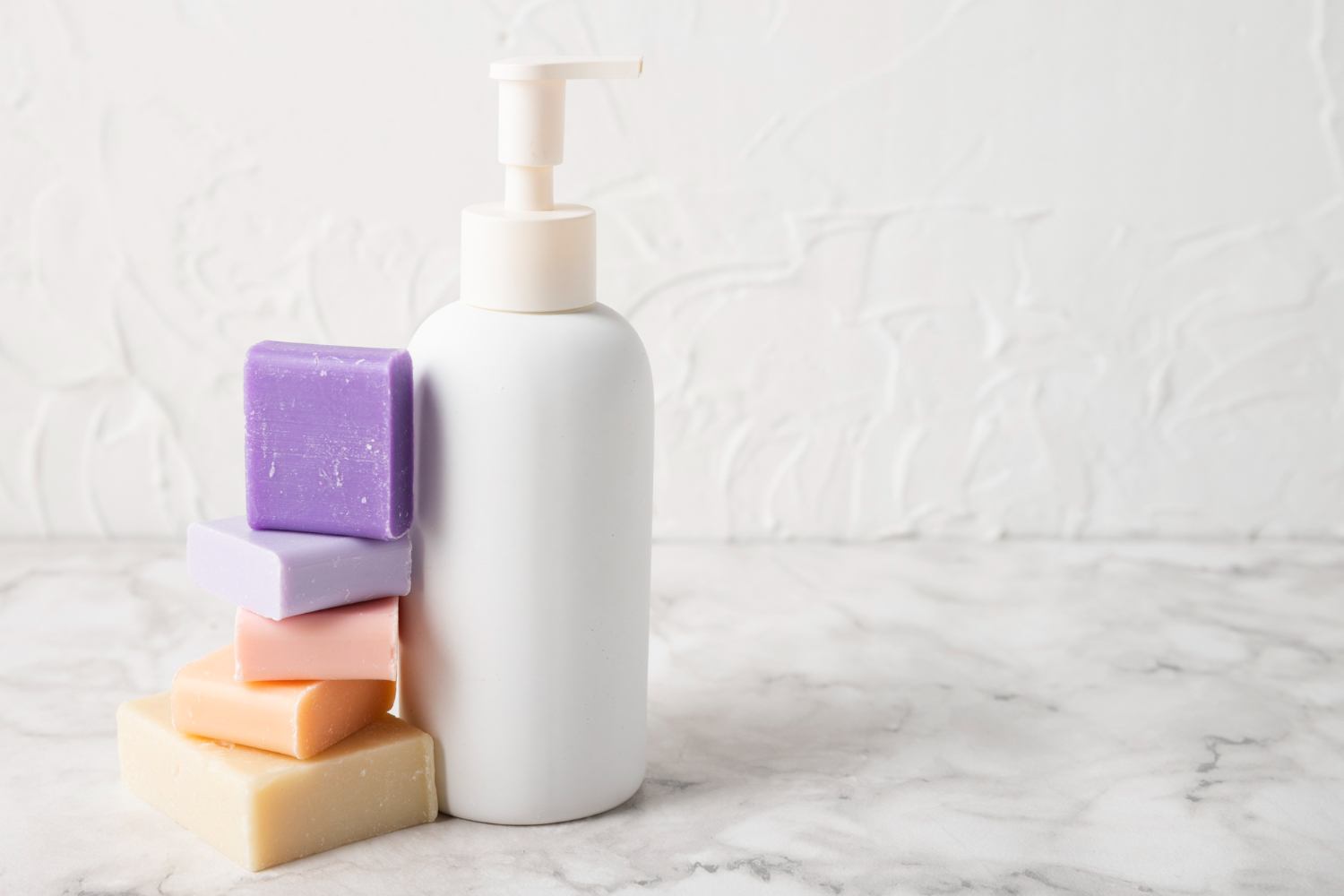
The better format is not universal. It depends on how the product is formulated, who uses it, and what makes a daily routine easy to follow.
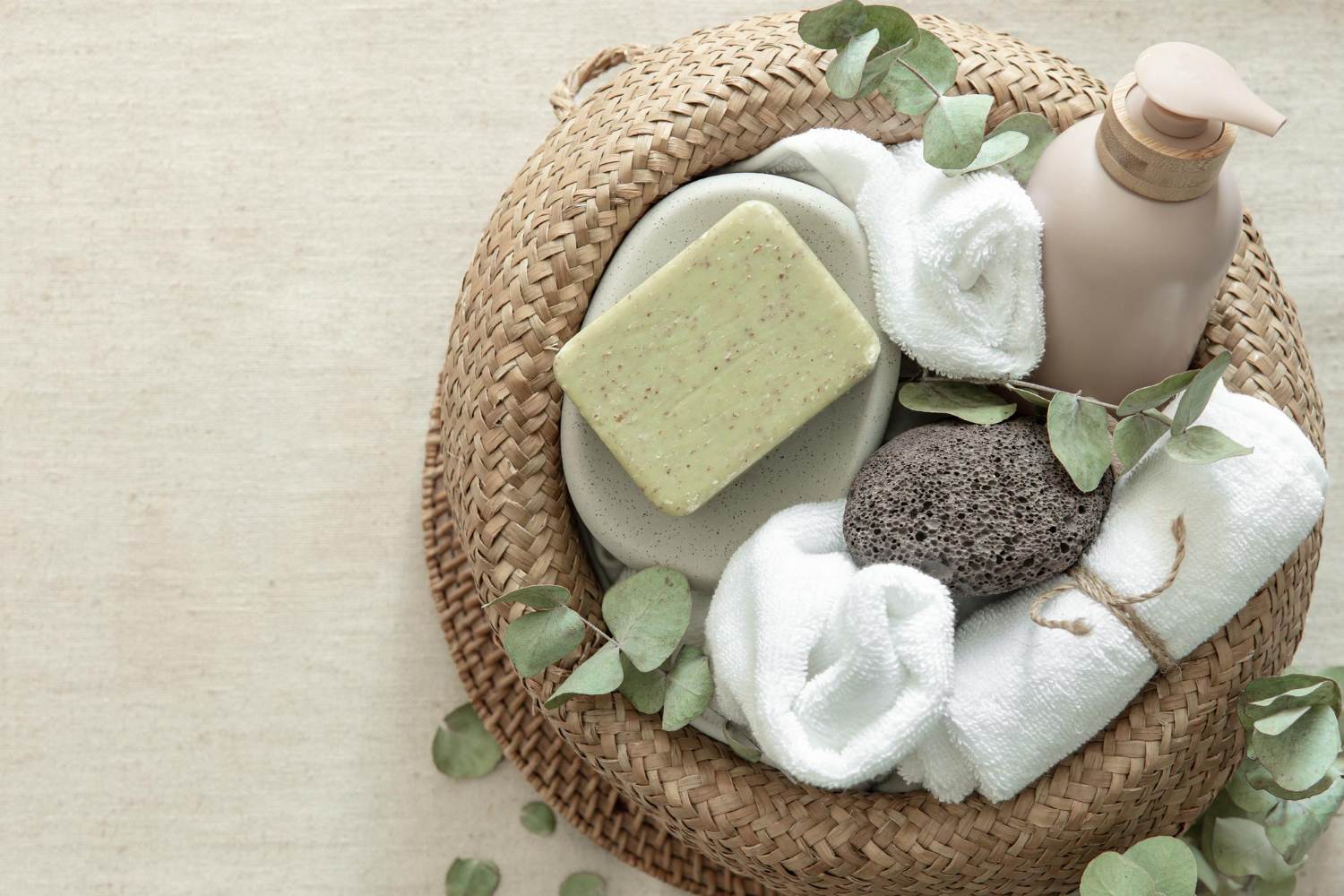
Eucalyptus can give a cleanser a distinctive fresh aroma, but the finished formula and your own tolerance matter more than the reputation of one botanical ingredient.
An ingredient list becomes more useful when you read it by function instead of treating every technical name as either good or bad.

One bottle can simplify a bathroom, but a shared product only works when its directions, scent, packaging and skin feel suit the people using it.
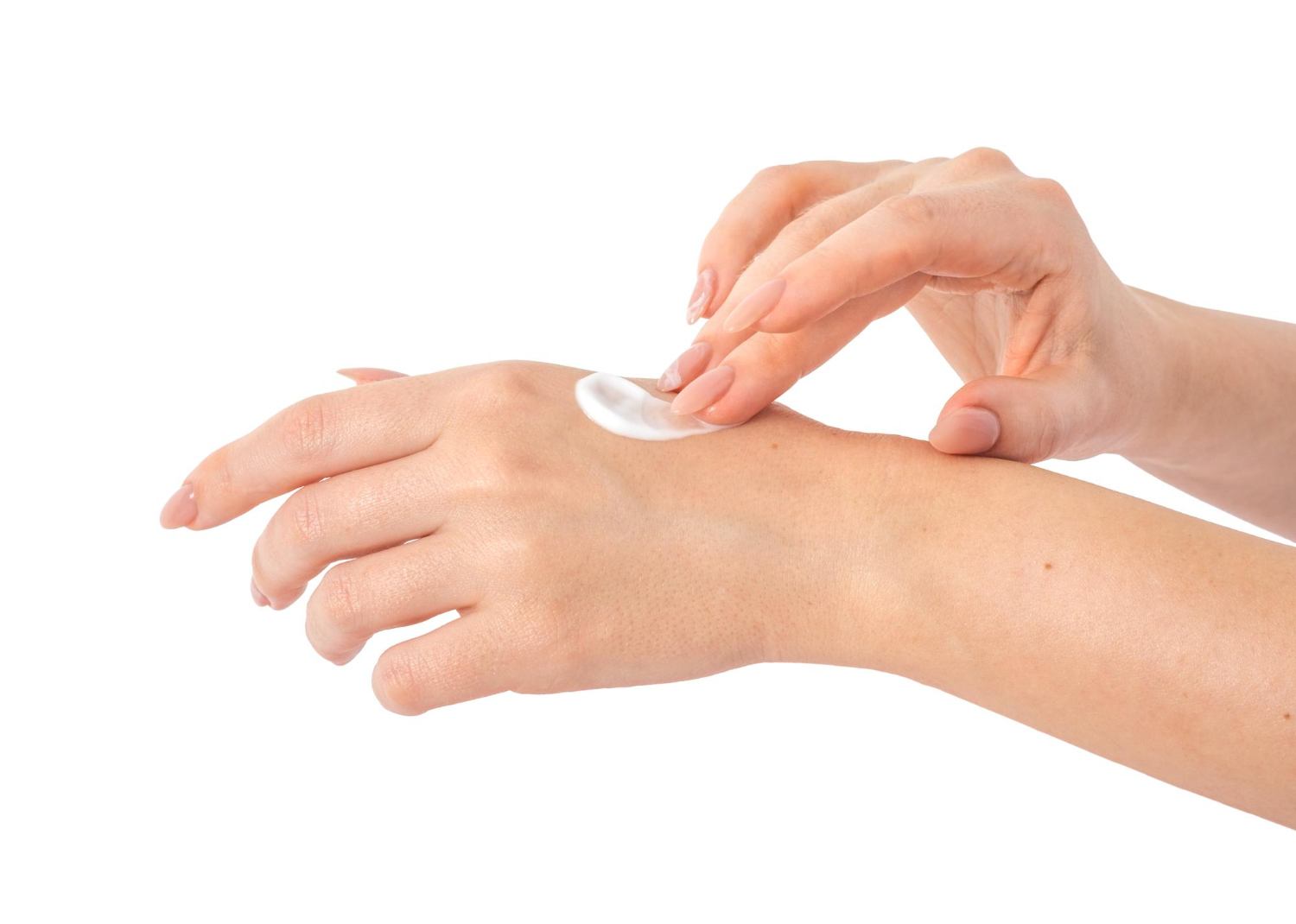
A small-area trial cannot guarantee perfect tolerance, but it can help you introduce one new rinse-off product more carefully and observe your response.
A suitable body wash should have understandable directions, relevant warnings, and a formula that can be used comfortably as intended.