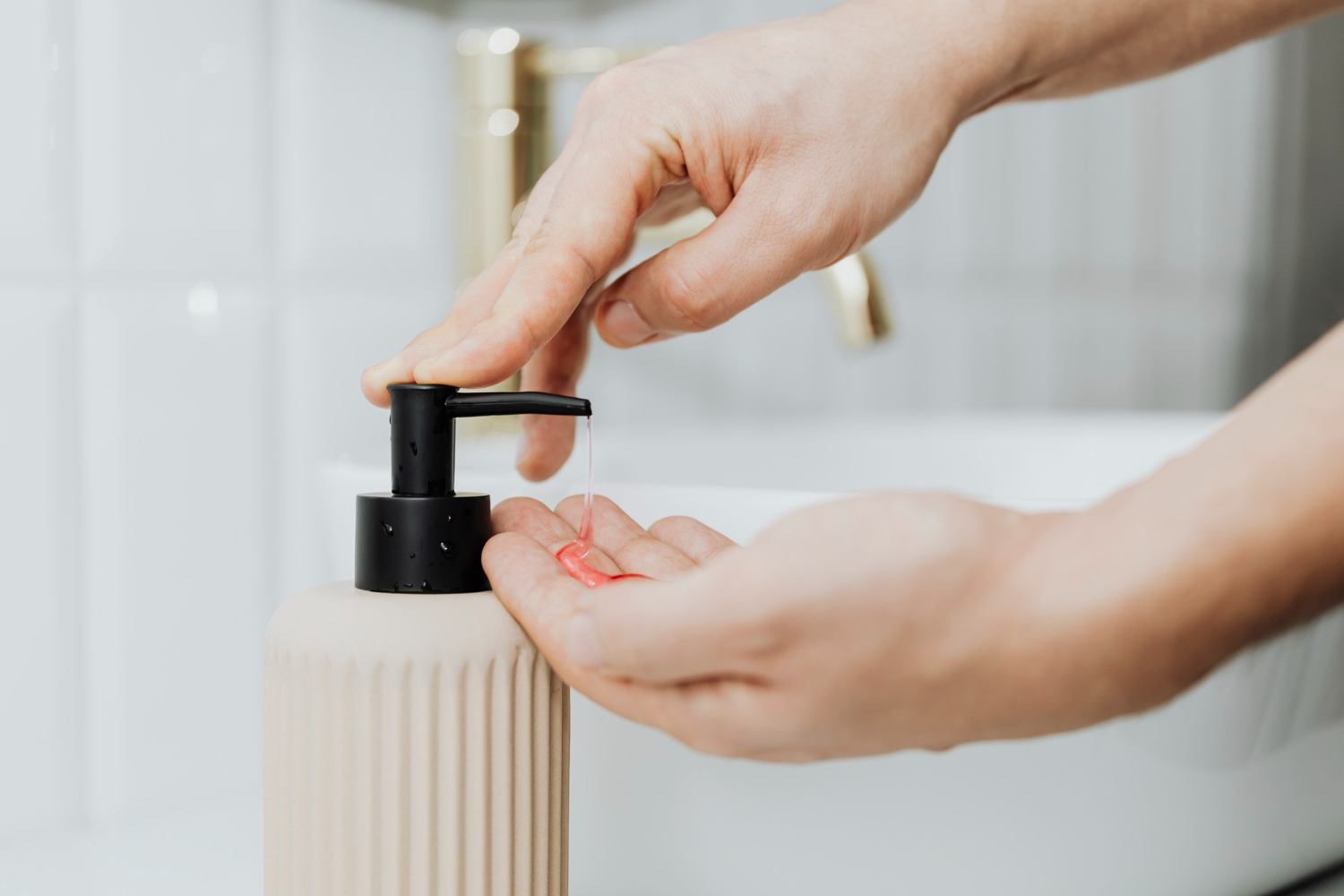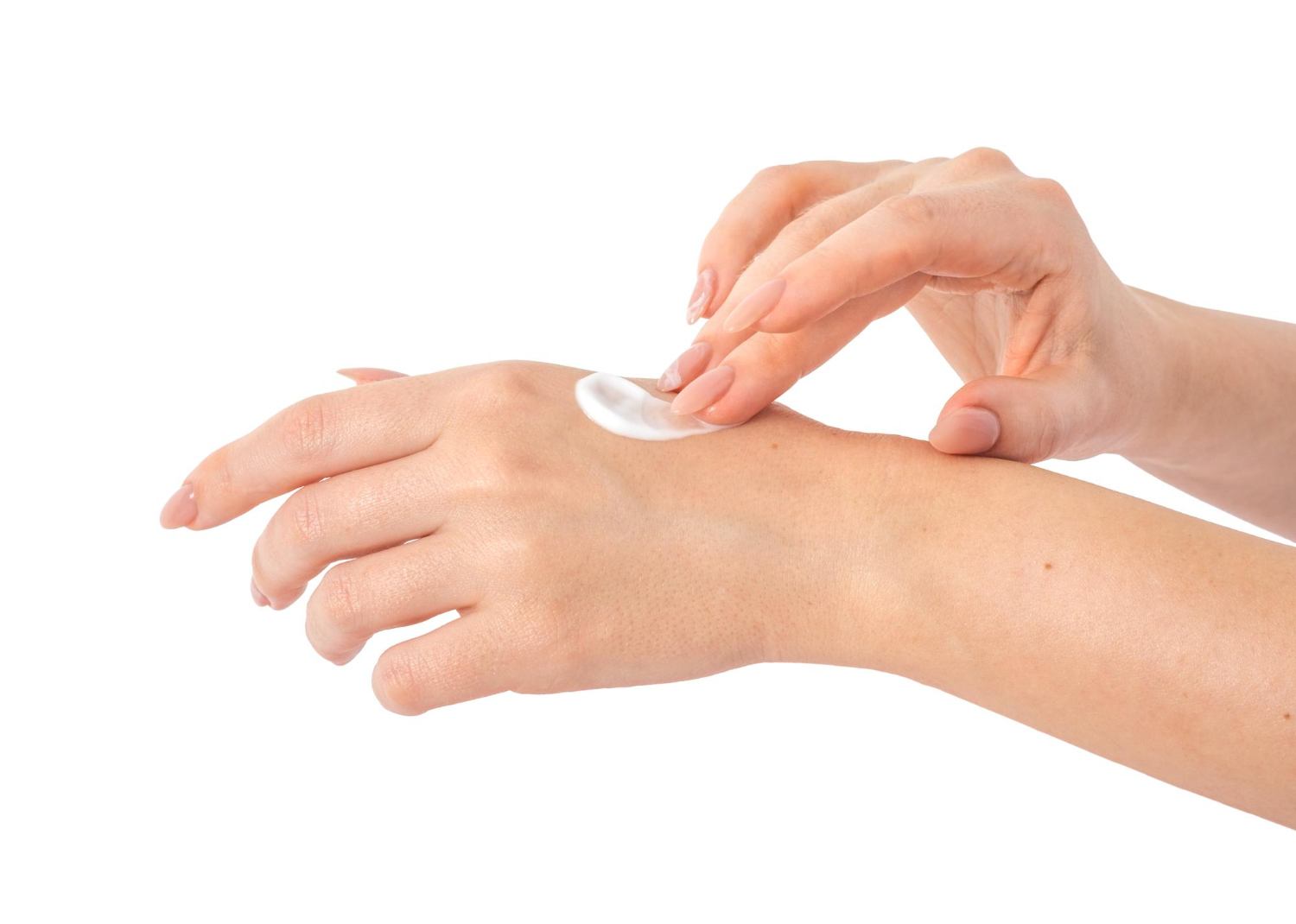
Trying a new body wash is usually straightforward: use it in the shower, rinse, and decide whether the scent and skin feel are pleasant. People who have reacted to fragranced products or cleansers before may prefer a more cautious introduction. A small-area trial is one practical option.
This home routine is not the same as clinical patch testing performed by trained professionals to investigate contact allergy. It cannot prove that a product is safe for every body area, predict every delayed reaction, or diagnose a skin condition. Its purpose is simply to reduce the amount of skin exposed during the first use.
Understand what the test can and cannot show
A rinse-off cleanser is designed for brief contact with water and then removal. Leaving it on the skin for hours may not reflect intended use and could create irritation that would not occur during normal washing. A cautious test should therefore follow the product's directions as closely as possible.
A comfortable result on one small area does not guarantee comfort everywhere. Underarms, groin, face, and damaged skin may respond differently. Do not use a body wash on areas excluded by its label.
Prepare before applying anything
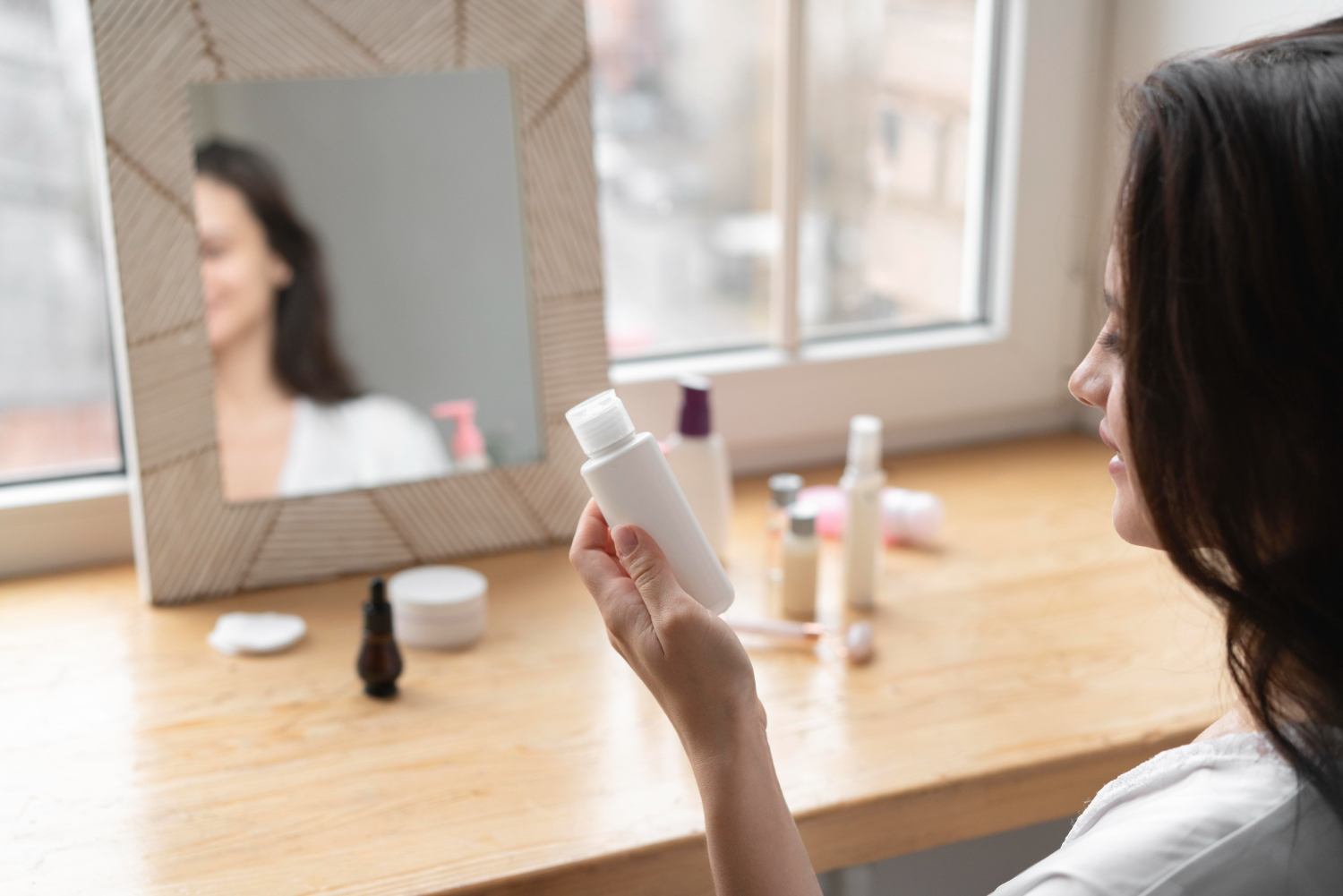
Read the ingredients, directions, and warnings. Check that the package is intact and the product is within any stated use period. Choose a small area of healthy, unbroken skin that is easy to rinse and observe. Avoid areas with a current rash, sunburn, cuts, or recent shaving irritation.
Test one new product at a time. If you change body wash, lotion, laundry detergent, and perfume together, it becomes difficult to understand which change may be linked to discomfort. Note the date and product name if you have a history of reactions.
A cautious rinse-off method
- Wet a small area with comfortably warm water.
- Apply a very small amount of body wash as the directions describe.
- Do not scrub hard or extend the contact time beyond normal washing.
- Rinse thoroughly and pat the area dry with a clean towel.
- Observe the area before deciding whether to use the wash more broadly.
If the product directions or a healthcare professional provide different instructions, follow that guidance. Never mix the cleanser with another product for the test.
What to observe
Stop and rinse immediately if the area develops strong burning, stinging, swelling, hives, or marked redness. Mild sensations can still be meaningful when they persist or worsen. Seek urgent medical help for signs of a severe allergic reaction, such as breathing difficulty or swelling of the face or throat.
Some responses are delayed. Continue to notice the tested area and avoid broad use if discomfort develops. A home patch test should not be repeated over and over on irritated skin in an attempt to make the product tolerable.
Keep the observation simple. Daylight can make subtle redness easier to compare, and a dated note may help if the reaction appears later. Avoid covering the area with an airtight dressing unless a qualified professional has instructed you to do so, because occlusion can change exposure and does not reflect an ordinary shower routine.
Photographs may help you remember visible changes, but lighting and camera processing can alter colour. They are a personal record, not a substitute for professional assessment when symptoms are concerning, persistent, or difficult to interpret.
Deciding what to do after the test
If the small area remains comfortable, introduce the wash normally but conservatively, following the directions and rinsing well. Stop if broader use causes a different response. If irritation persists after discontinuing the product, consult a qualified healthcare professional.
Reviewing the formula can help when choosing the next option. The guide to reading body wash ingredients explains how to compare scent, surfactants, and preservatives. The main antibacterial body wash guide covers claim interpretation, while the family guide discusses introducing shared products.