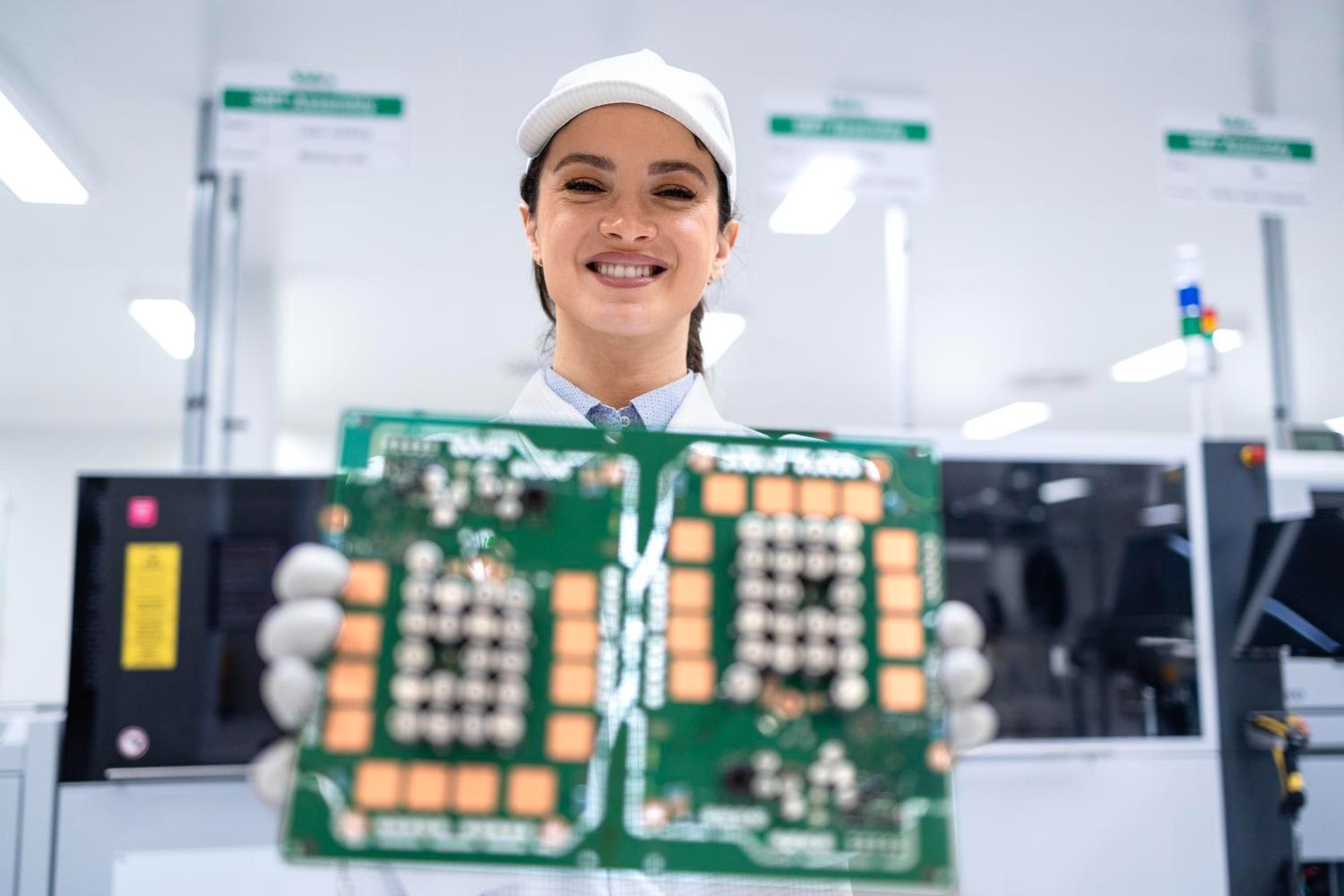
Manual visual inspection has experience, flexibility, and context. AOI offers repeatable imaging, programmed checks, speed, and digital records. Comparing them only by asking which is more accurate ignores the product, defect, volume, environment, and decision being made.
Many effective quality plans use both. Automation screens repeated features and records trends, while trained people review uncertain findings, unusual damage, new products, and conditions that are difficult to express as stable image rules.
Where manual visual inspection remains useful
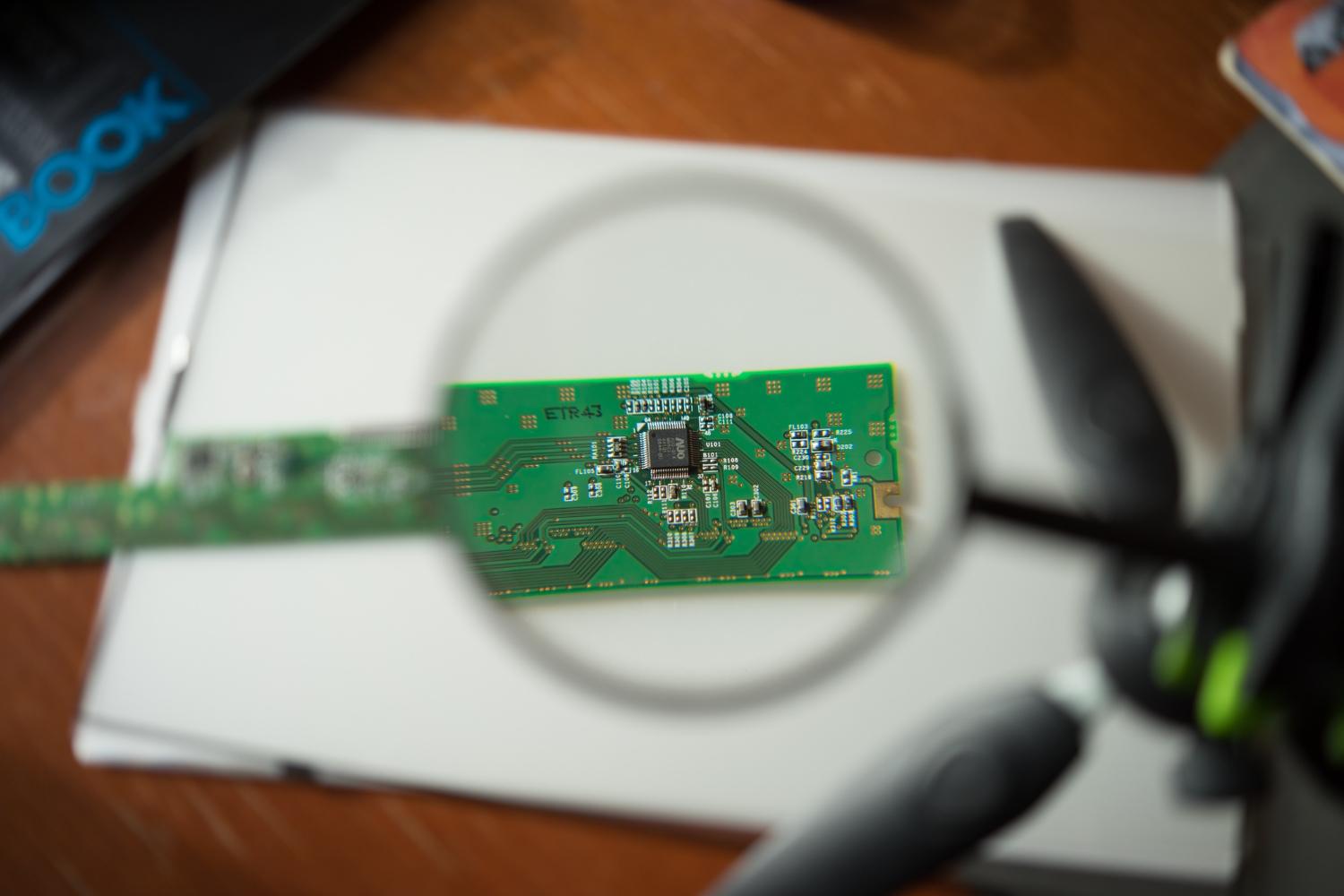
A person can change viewing angle, interpret context, notice an unexpected pattern, and adapt quickly to low-volume or changing work. Manual inspection may suit prototypes, repair assessment, final appearance checks, or processes where products vary too much for one program.
Its limitations include fatigue, inconsistent pace, subjective interpretation, training differences, and limited traceability. Very small features or rapid lines can exceed practical human attention. Workstation lighting, magnification, ergonomics, time allowance, defect samples, and clear standards strongly influence performance.
Where AOI is stronger
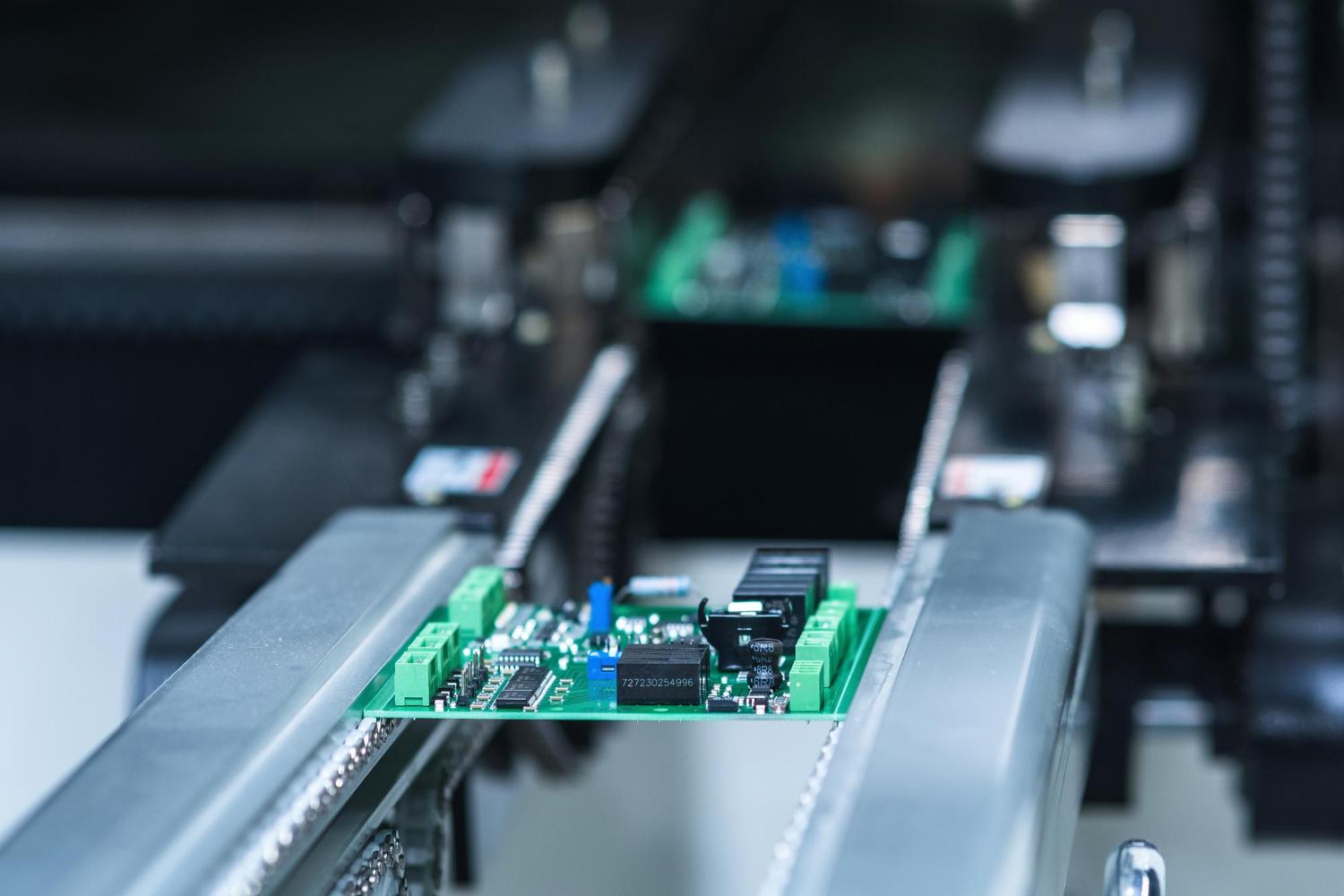
AOI can repeat the same programmed checks, capture images, measure positions, and connect results with product records. It is useful for recurring products and high inspection volumes where a stable optical condition can be created. It can also reveal process trends that are difficult to assemble from handwritten findings.
Automation has its own dependencies. The system only checks visible features represented in its program. Product presentation, lighting, optics, thresholds, maintenance, and program versions must remain controlled. Unexpected defects may pass when they do not match a defined feature or learned class.
Compare the complete operating cost
Manual inspection cost includes trained labour, supervision, workstation design, sampling or full-inspection time, records, and the consequence of inconsistency. AOI cost includes equipment, integration, programming, validation, review staff, maintenance, calibration, software, storage, support, and changeovers.
Speed should be measured with decision handling included. A fast AOI station that generates many false calls can move work to the review desk. A manual station may appear inexpensive until volume grows or traceability is required. Compare cost per useful decision and defect prevention, not only hourly labour or machine price.
A practical combined workflow
AOI can screen every product for known visible conditions, then direct flagged items to an operator. The reviewer confirms the classification, follows disposition rules, and escalates unusual patterns. Confirmed data can support program improvement and corrective action without automatically teaching every operator decision back into the model.
Manual audits can also test AOI performance. Periodic checks of accepted products, known defect challenges, and review consistency help detect drift. Conversely, AOI records can show where manual training or process investigation is needed.
Choose roles from risk and production reality
List product volume, change frequency, defect severity, feature size, optical accessibility, line speed, traceability, and available skills. For stable repeated checks, review the automated optical inspection systems guide. For uncertain coverage, use the guide to defects AOI may detect or miss.
Run a controlled comparison with representative samples. Record detection, false calls, inspection and review time, operator agreement, program effort, and response to an unfamiliar defect. The result may justify automation, improved manual controls, or a hybrid process.
Whatever method is chosen, define acceptance criteria and reaction plans. Inspection without a consistent response only identifies problems; it does not control them.
Work design should be considered for both methods. Manual inspectors need suitable seating or posture, lighting, magnification, rest patterns, and access to reference samples. AOI reviewers need displays that show the relevant area clearly, manageable alarm volume, and enough context to avoid approving or rejecting by habit. Poor ergonomics can weaken either process.
New-product introduction is a useful point for cooperation. A person may inspect early builds while engineers collect examples and refine automated checks. As production stabilises, AOI can take over repeated features while manual audits continue to look for unexpected conditions. This staged approach preserves learning instead of forcing an immediate all-or-nothing decision.
Review the arrangement when volume, design, process, or defect history changes. A method chosen for a prototype may not suit mass production, while a dedicated automated program may not be economical after a product becomes a low-volume service item.