A pre-owned laptop can reduce purchase cost and extend the useful life of electronics, but condition descriptions are not always consistent. One seller may call a cleaned and tested machine refurbished, while another reserves that term for equipment that has been repaired and passed a documented process. The label alone is not a quality certificate.
The practical question is not whether one word sounds safer. It is what happened to the individual laptop, what condition it is in now, and what support is available if a fault appears after normal use.
What used and refurbished usually indicate
A used laptop is generally sold after a previous owner has operated it. It may receive basic checks, data removal and cleaning before resale, but it can also be offered largely as received. Refurbished usually suggests a more deliberate inspection or restoration process. That process might include diagnostics, cleaning, operating-system installation, part replacement and final testing.
Neither term defines a universal Malaysian standard for every retailer. Ask for the seller's own definition. A clear answer should describe testing, grading, replacement parts and warranty instead of repeating that the unit is high quality.
Look for the work behind a refurbishment claim
A useful refurbishment process starts with identity and safety. The model and serial information should be recorded, previous data securely removed, and the power adapter checked. Hardware diagnostics may cover memory, storage, processor behaviour, temperatures, charging, wireless connections and ports. A physical inspection should include the screen, keyboard, hinges, casing and signs of liquid damage.
If a component is replaced, ask whether the part is new, used, original or compatible. A replacement solid-state drive may improve reliability and speed, while a low-quality charger or battery can introduce new problems. Software should be properly licensed and updated rather than activated through an unclear method.
Testing is more convincing when the seller can state what passed. A generic sticker provides less information than a checklist or written condition report.
Cosmetic grades do not measure internal health
Grades such as A, B or C commonly describe appearance, but their definitions vary. A grade may reflect scratches, dents, keyboard shine or screen marks without saying anything about battery capacity or storage health. Request photographs of the actual unit when possible and confirm whether marks affect ports, hinges or the display.
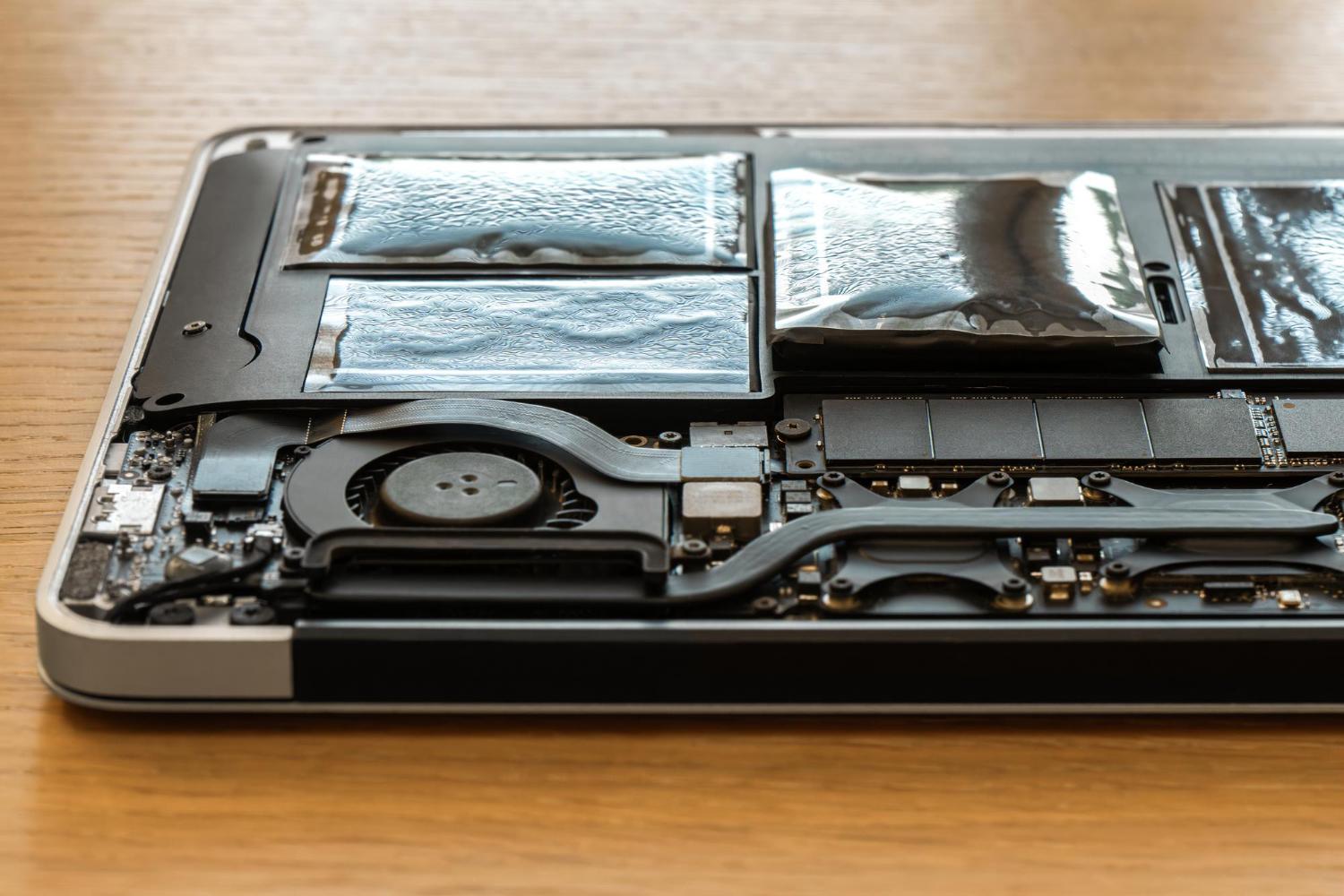
Normal wear can be acceptable when it is disclosed and priced accordingly. Structural cracks, a separating case, loose hinges or a swollen battery deserve more caution because they can worsen or affect safety. Use the used-laptop inspection checklist to separate cosmetic wear from functional concerns.
Warranty and return terms change the risk
New laptops generally include manufacturer support, while pre-owned coverage may come from the retailer and be shorter. Read what is excluded. Batteries are often treated as consumable items, and cosmetic faults already disclosed may not be covered. Check whether the warranty includes parts and labour, how claims are assessed, and whether delivery costs fall on the buyer.
A return or testing period is valuable only if there is enough time to run updates, check charging, test sleep and wake behaviour, use all ports and observe the machine under a normal workload. Save screenshots of system information and battery reports during this period.
Choose from evidence, price and intended lifespan
Compare machines with the same processor generation, memory, storage, display and condition. Add the cost of immediate upgrades or a likely battery replacement. A professionally prepared unit with clear testing and support can justify a higher price, but the word refurbished should never be the only reason to pay more.
For brand-specific comparison, the Lenovo laptop buying guide for Malaysia explains how model families, specifications and condition work together. Whatever the brand, prioritise transparent descriptions, verifiable hardware and written terms.
Also consider who carried out the work. Manufacturer programmes, specialist refurbishers and general resellers may follow different processes and offer different support. None should be accepted on reputation alone, but a traceable process makes questions easier to answer. If the machine is for essential work or examinations, the value of predictable support and a replacement plan may be greater than the smallest possible saving.