Body wash and bar soap are often discussed as if one must be modern and gentle while the other is old-fashioned and harsh. That shortcut is not very useful. Both formats can clean the body, and either can feel comfortable or drying depending on the formula, washing habits, water temperature, and individual skin.
A practical comparison begins with the bathroom rather than the advertising. Who will use the product? Is it shared? Does anyone avoid fragrance? Is packaging waste a priority? Is the cleanser easy to rinse after exercise or work? Those questions usually lead to a better choice than assuming every liquid wash or every bar behaves the same way.
The practical difference is format
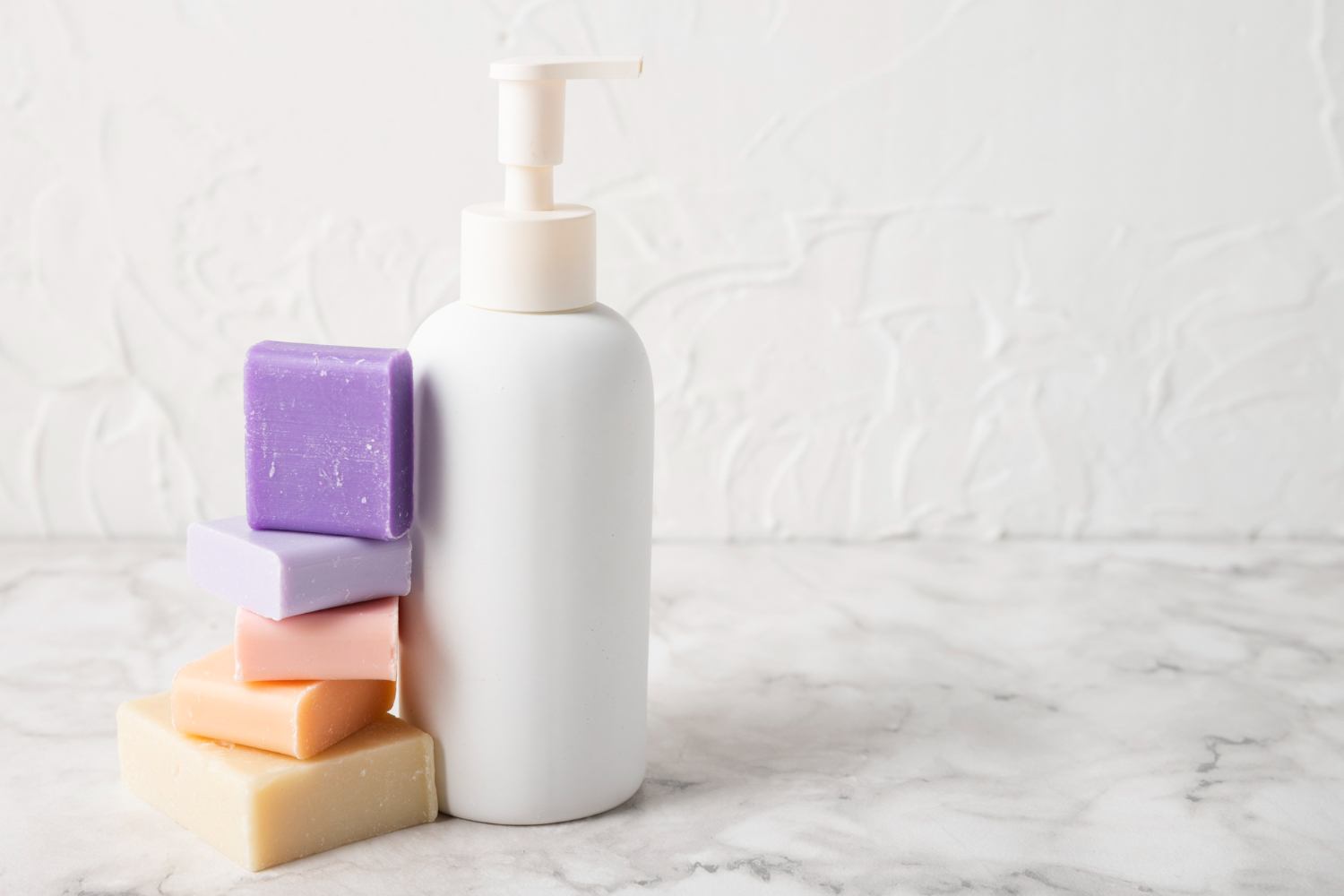
A body wash is a liquid or cream cleanser dispensed from a bottle, pouch, or pump. A cleansing bar is a solid product used directly on wet hands, a cloth, or the body. Traditional soap bars are made through soap-making chemistry, but some solid cleansing bars use other surfactants and are not technically soap. Reading the label helps distinguish them.
Liquid packaging makes it easy to control dispensing and combine several ingredients in a stable texture. Bars are compact, usually require less packaging, and do not need a pump. Neither advantage proves that the product will suit a particular user.
Cleansing performance and after-wash feel
Both formats work by helping water lift oils and residues from the skin. The surfactant system, product acidity, added moisturising ingredients, amount used, and length of washing affect the result. Very hot water and repeated scrubbing can leave skin uncomfortable regardless of format.
Liquid washes often make it easier to create a creamy texture or include humectants and oils. Some people enjoy that feel; others find a simple bar easier to rinse. A rich lather is not proof of superior cleansing. Use enough to spread over the area, then rinse completely.
Claims such as antibacterial add another comparison point but should still be read in context. The main guide to antibacterial body wash explains why a wash-off claim should not be interpreted as treatment or complete germ removal.
What changes in a shared bathroom
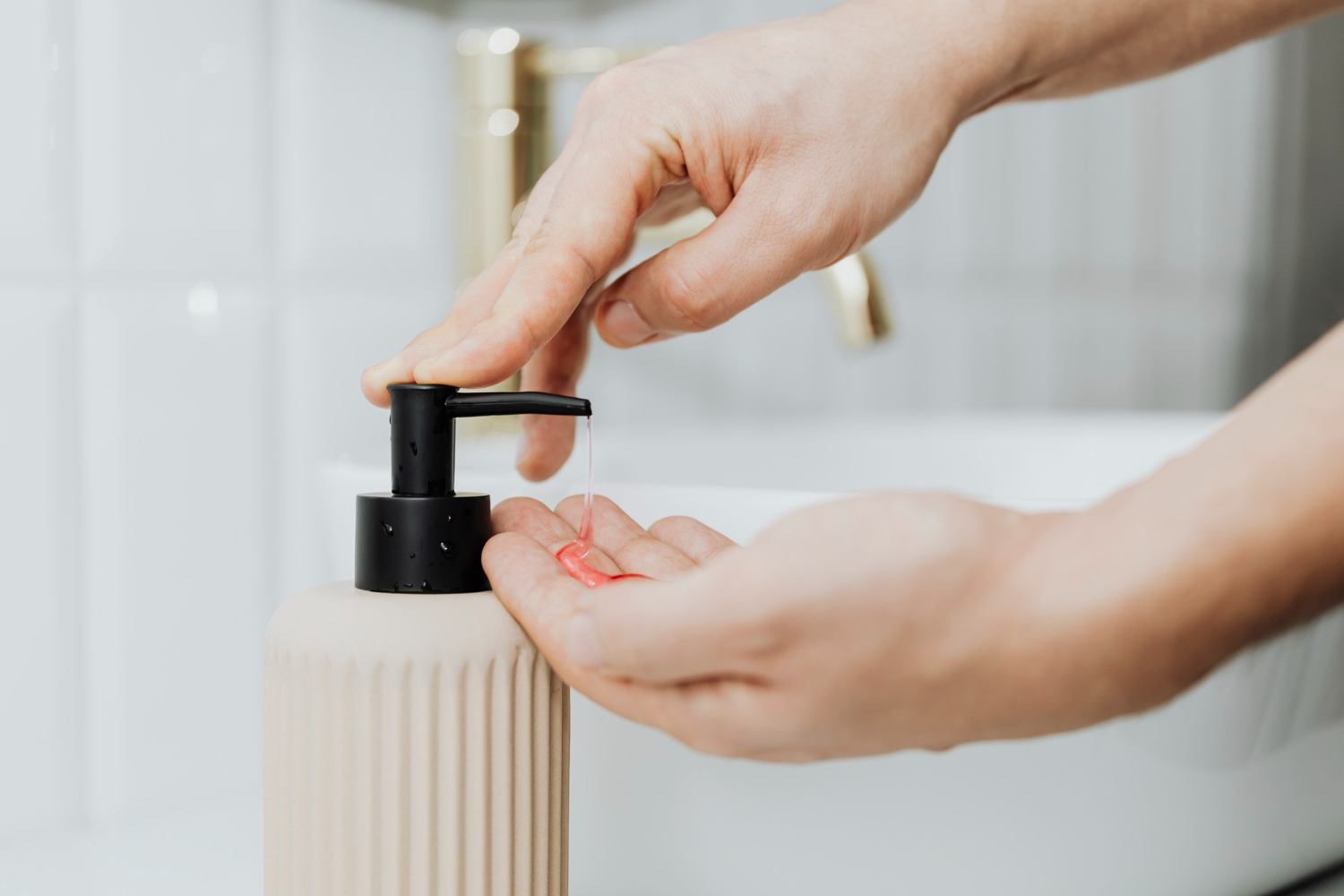
A pump bottle can be convenient for families, guest bathrooms, gyms, or shared accommodation because each person dispenses a portion without handling the remaining product. A bar sits in the open and needs a draining dish so it can dry between uses. Users may prefer separate bars when sharing feels uncomfortable.
Liquid products also need sensible handling. Water should not be added to a bottle to make it last longer because dilution may affect the formula and preservation system. Keep the cap or pump clean, close refill packs properly, and follow any storage instructions.
Cost, waste, and convenience
A bar may cost less per unit and is easy to carry without leakage. It can also last well when kept dry. Liquid wash can be over-dispensed, especially from a large pump, but measured use makes the comparison fairer. Concentration and the amount needed matter more than bottle size alone.
Packaging priorities vary. Cardboard-wrapped bars can reduce plastic, while refillable liquid systems may reduce the number of rigid bottles. Recycling depends on the material and local collection options. A recyclable symbol does not ensure that every local programme accepts the pack.
Bathroom conditions affect waste as well. A bar left in pooled water can soften and disappear quickly, while a liquid bottle kept under direct shower spray may collect residue around the pump. A draining dish, dry storage area, and sensible dispensing often make a larger difference to product life than the format itself.
A simple way to choose
Choose a format that supports comfortable, consistent washing. Compare the current ingredient list, scent, directions, warnings, price per likely use, and storage needs. If several people will share one product, the family body wash guide adds questions about age, preferences, and introducing a new formula.
People who have reacted to cleansers before may prefer to change one product at a time and note the date. The patch-test guide offers a cautious introduction process without claiming that a small-area test predicts every possible reaction.