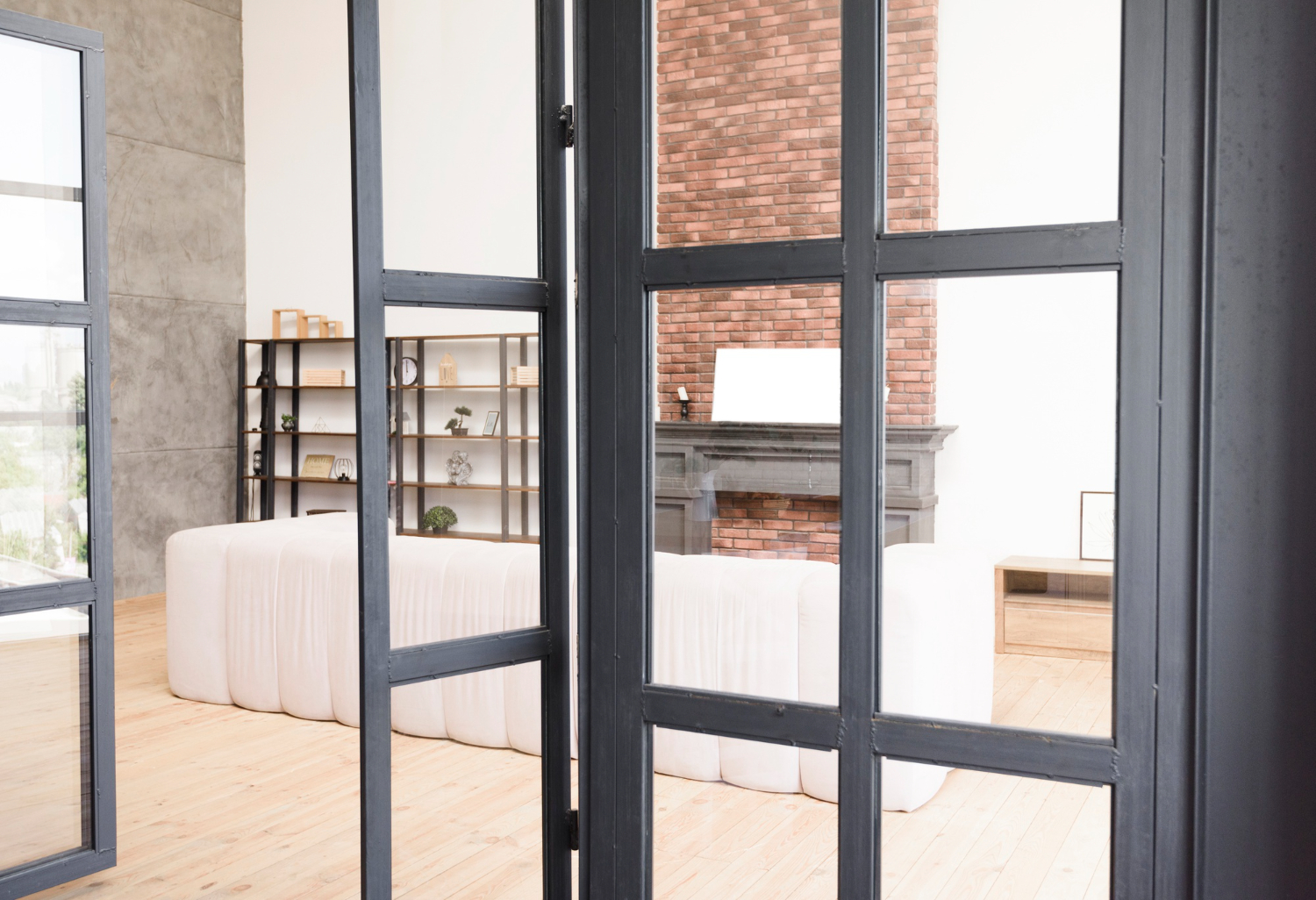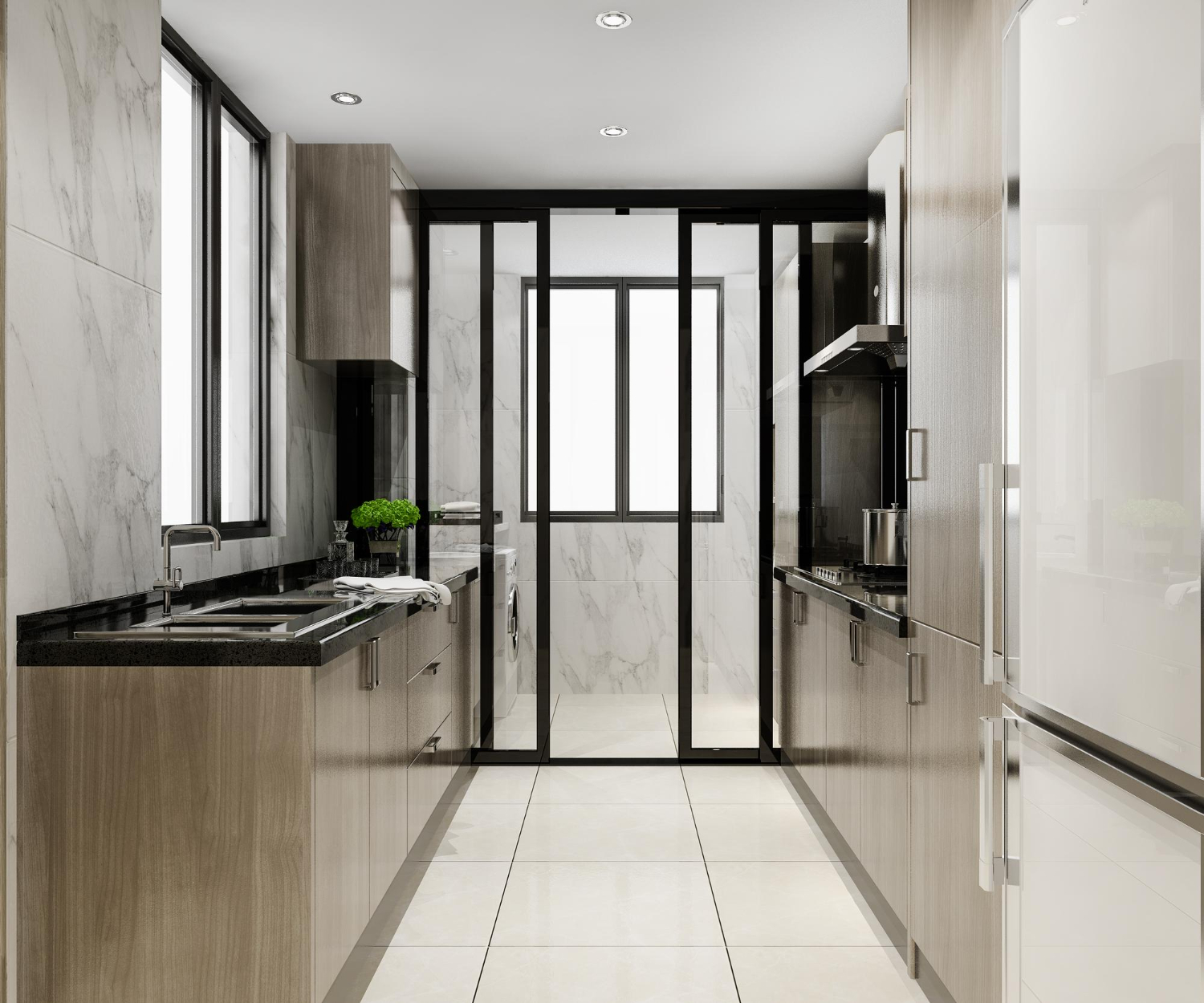
Large glazed doors are visually simple: narrow lines surrounding broad areas of glass. That simplicity makes each material decision noticeable. Frame thickness changes the rhythm of the elevation, glass affects light and privacy, and the finish must tolerate hands, cleaning and the surrounding environment.
A useful specification connects appearance with structural and operating needs. Colour samples alone cannot show whether a profile suits the panel size, whether the glass is appropriate for a door or how the system manages movement at seals and thresholds.
What to ask about aluminium profiles
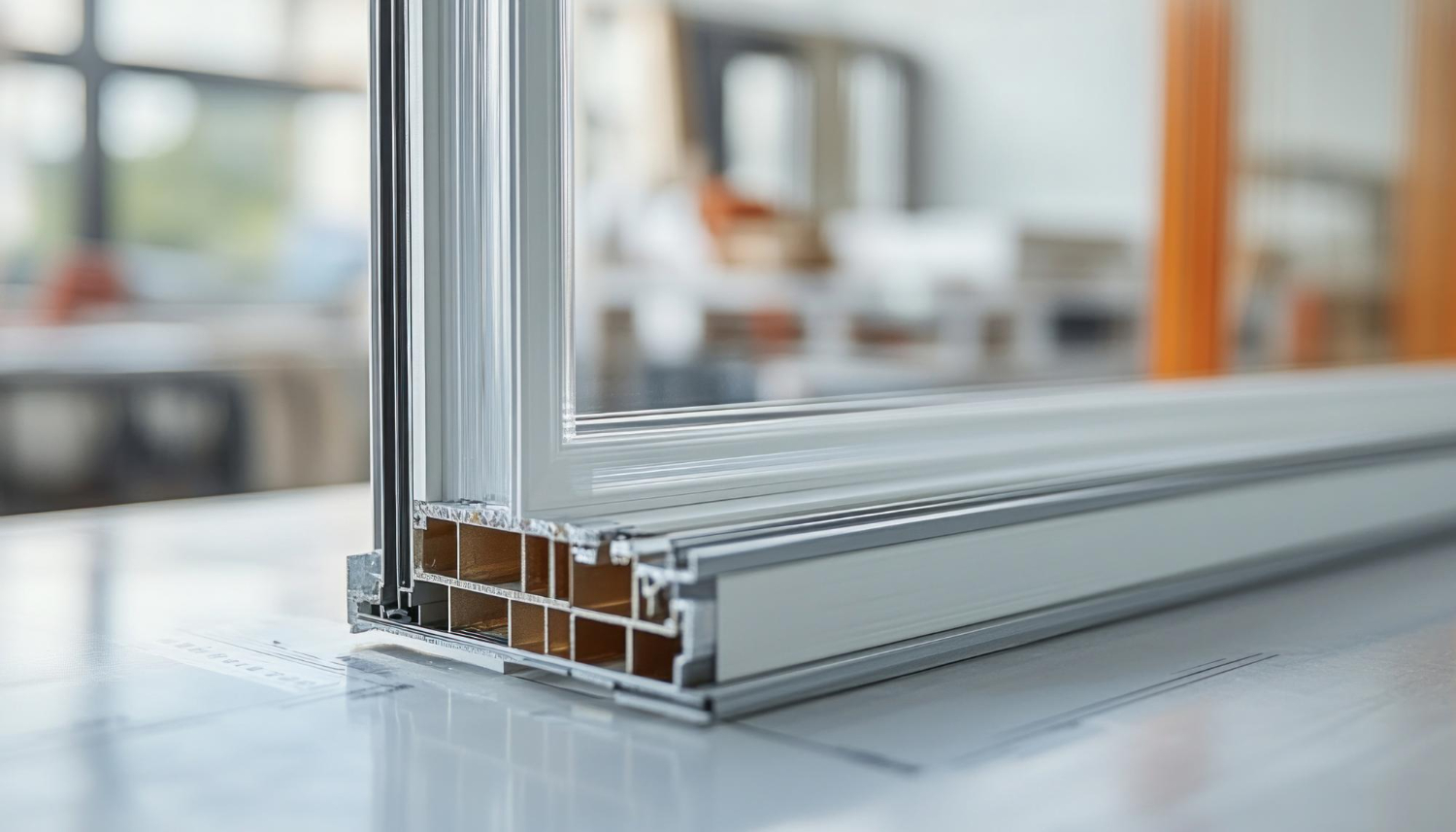
Aluminium is widely used because it can form precise profiles, resist ordinary corrosion and support durable factory finishes. Door systems use different profile depths, wall thicknesses, internal shapes and reinforcing strategies. A single quoted thickness does not describe the complete performance of the frame.
Ask which system and profile series is proposed, the maximum intended panel dimensions and how the design accommodates glass weight and hardware. Corners, mullions and handle zones should remain rigid during operation. For external use, drainage paths and perimeter interfaces become part of the frame design.
Rounded and square-edged profiles create different visual effects, but geometry can also affect grip, cleaning and compatibility with hardware. Compare actual section samples or a working display rather than relying only on rendered images.
Powder coating and decorative finishes
Powder coating applies a dry finish that is cured onto prepared aluminium. Its durability depends on surface preparation, coating specification, application quality and exposure. Interior and sheltered conditions are less demanding than coastal or heavily polluted locations. Ask for the finish code, gloss level and applicable warranty rather than approving “black” or “grey” without a sample.
Wood-grain effects can give aluminium a warmer appearance while retaining a metal frame. Pattern, tone and repeat may vary between batches and profile shapes. Review a representative sample in the room's daylight and artificial light. If adjacent windows or doors must match, record the exact approved reference.
Dark finishes can show dust, fingerprints and water marks more readily, while very light colours may highlight gasket lines or external staining. This is not a reason to avoid them; it is a prompt to consider the cleaning routine and surrounding materials.
Touch points may age differently from the rest of the frame. Handles, locks and frequently gripped edges should have compatible, serviceable finishes. If colour continuity matters, ask whether replacement hardware will remain available in the same tone or whether a contrasting hardware colour would be easier to maintain.
Choose glass for safety and use
Glass in doors can be subject to human impact, wind pressure and repeated movement. The appropriate type, thickness and treatment depend on panel size, location and applicable requirements. Toughened, laminated and other safety-glass configurations behave differently after breakage, so the specification should come from a qualified party rather than visual preference alone.
Clear glass maximises views. Tinted glass can change colour and solar transmission, while frosted or patterned products increase privacy. Decorative bars or lattice elements add visual detail but may create extra cleaning edges. Samples should be viewed against the actual room because colours and privacy levels change with lighting on each side.
If heat, glare or sound is important, request performance data for the complete proposed glass build-up. A descriptive name such as “soundproof” or “heat resistant” is not enough. Frames, seals and installation junctions also affect the result.
Gaskets, brushes and meeting points
Operable panels need controlled gaps so they can move. Gaskets and brushes help manage contact, rattling, light gaps and air movement at those junctions. Their placement differs by system. Ask which seals are replaceable and how corners, handles and the parked stack affect them.
For internal partitions, the priority may be smooth movement and reasonable separation. For an external opening, sill design, drainage, weather seals and perimeter waterproofing require more detailed coordination. The door should be specified for the actual exposure rather than assumed suitable because it uses aluminium and glass.
See the swing and slide door guide for the wider planning context and the panel-system explanation for hardware roles.
Record the finish and maintenance method
Request a schedule listing profile system, finish reference, glass description, hardware colour and seal type. Keep approved samples until installation is complete. On handover, record cleaning products to avoid, inspection intervals and contact details for replacement hardware or seals.
Routine care normally begins with removing loose grit and using mild methods approved for the finish and glass. Abrasive pads, harsh chemicals and metal tools can damage coatings, seals or glass surfaces. Coastal and exposed locations may require more frequent cleaning.
Inspect the lower corners and meeting points while cleaning. Early signs such as a loose seal, chipped coating or new rubbing mark are easier to address before they affect a larger area. Photograph the condition and refer to the recorded system details when requesting service.
Before fabrication, cross-check the schedule against the door installation checklist. A precise record prevents a visually similar but technically different substitution from passing unnoticed.