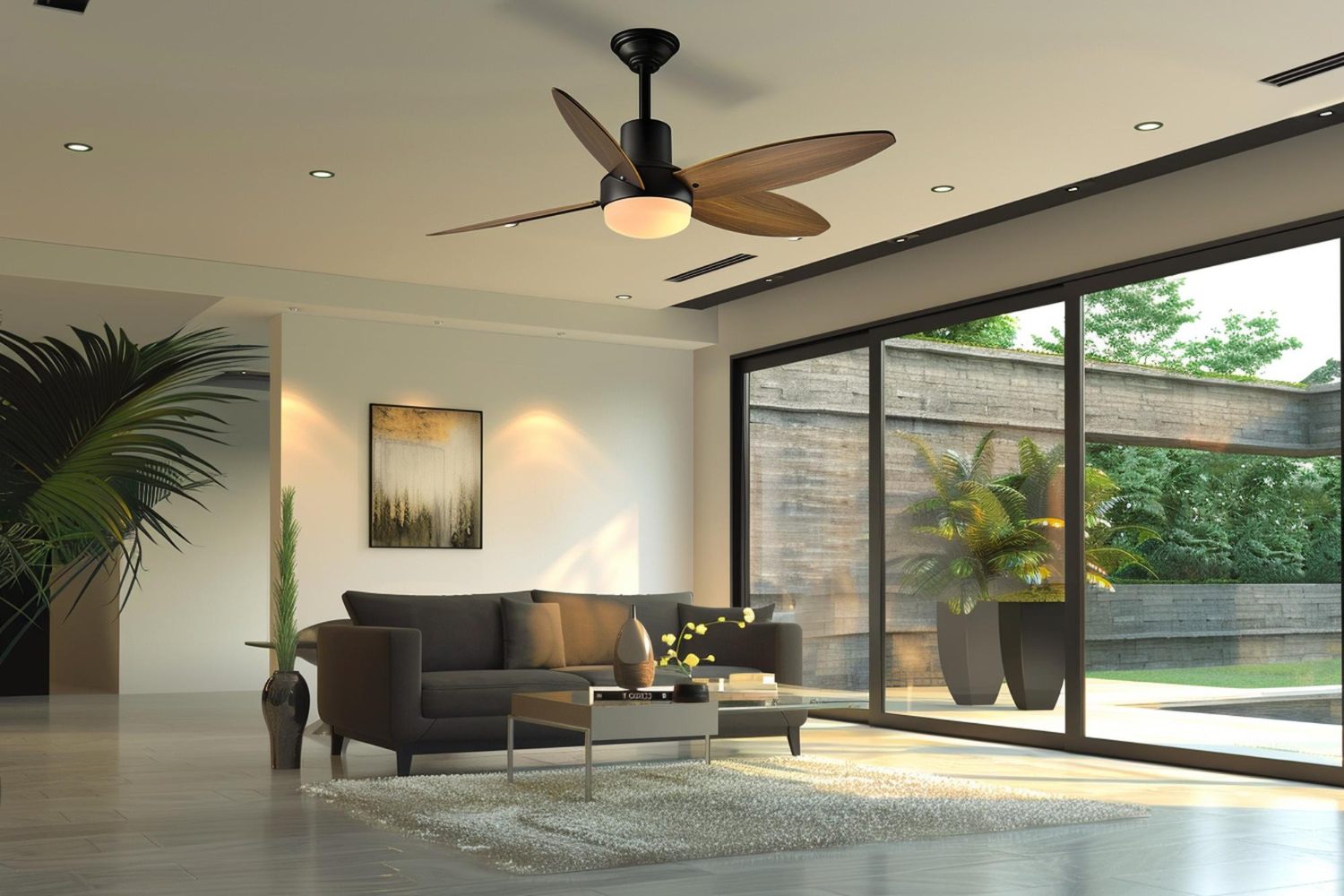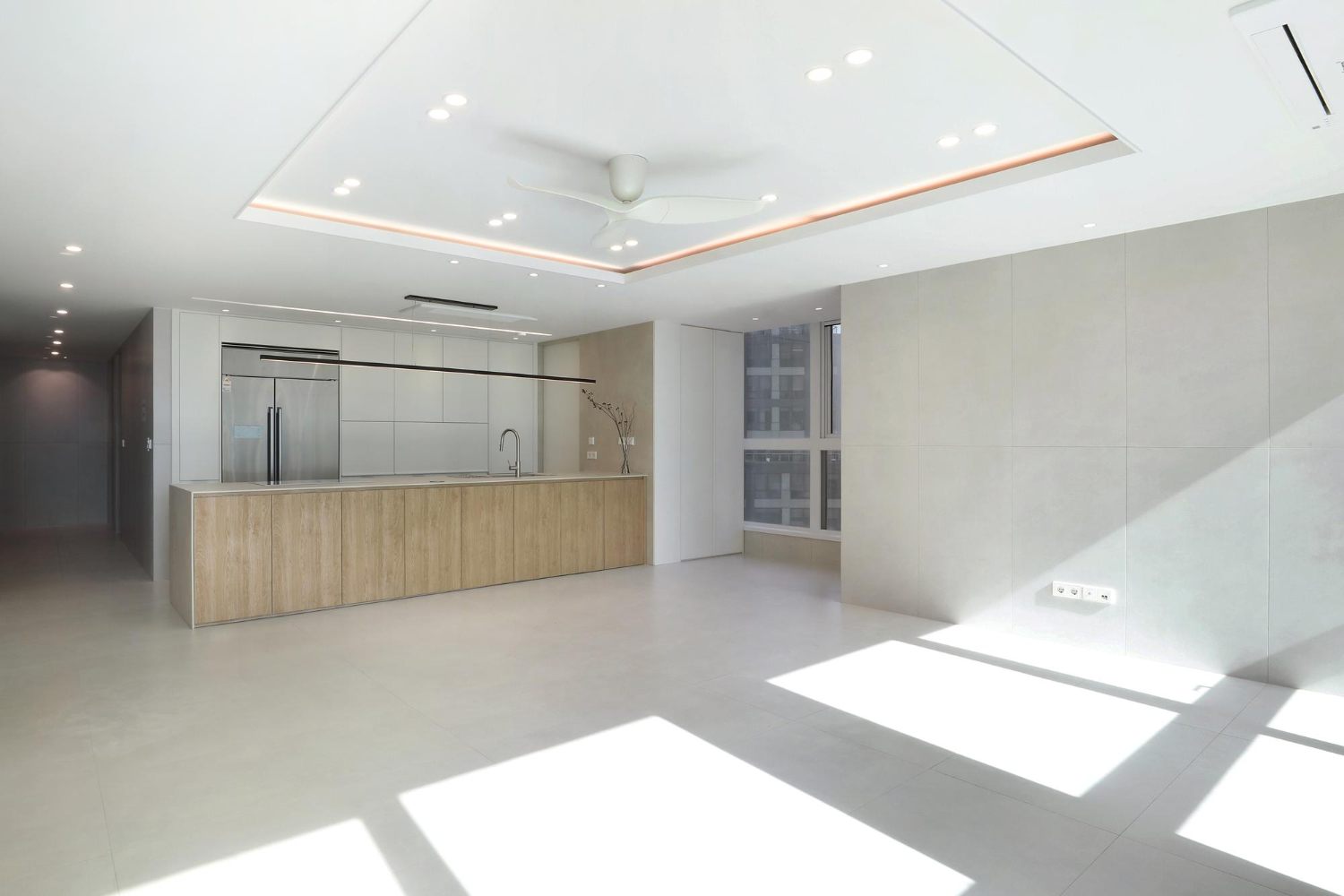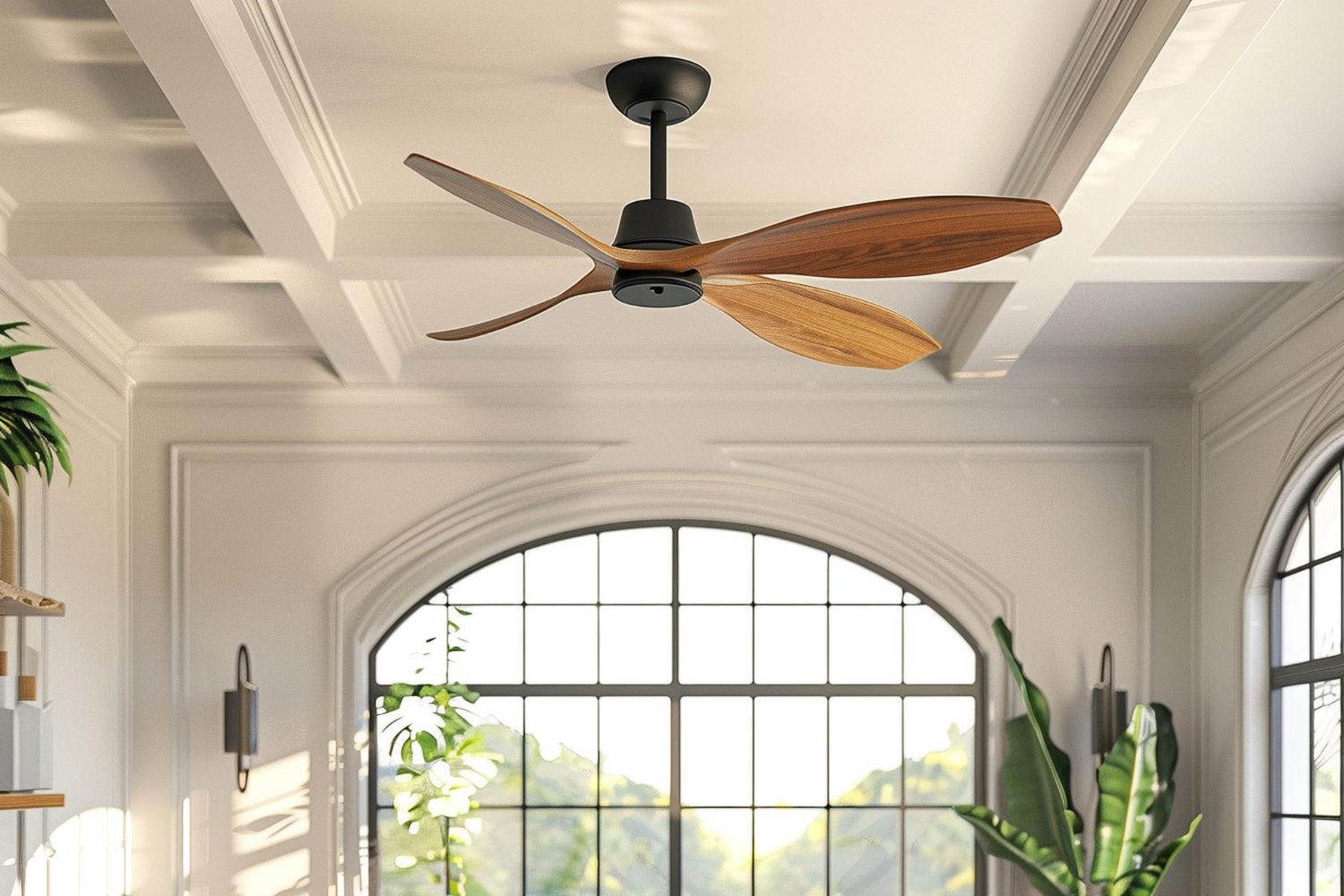
A ceiling fan, stand fan, and table fan can all improve comfort by moving air, yet they serve spaces differently. The most attractive option is not always the one that suits the routine. A permanent fan may provide broad coverage, while a portable model can follow work, sleep, exercise, or cooking activities through the day.
Begin with the area that needs airflow and the people using it. Then consider installation permission, available floor or surface space, storage, controls, cleaning, and cable safety.
Start with a fixed or changing need
If the same room needs airflow every day, a ceiling fan can be a tidy long-term solution. If airflow is needed at different times in different places, portability may matter more. Renters may also prefer a stand or table fan because it avoids ceiling work and can move to a new home.
Think about occupancy. A family living area needs different coverage from one desk user. A guest room used occasionally may not justify permanent installation, while a frequently occupied bedroom may benefit from clear low-speed control.
When a ceiling fan makes sense
Ceiling fans keep the floor clear and can distribute air over a broad zone. They become part of the architecture, so blade span, drop, finish, and relationship with lighting deserve attention. Permanent installation also means the mounting support and electrical work must be suitable.
They are less flexible after placement. A poorly located fan cannot easily follow a rearranged seating area. Cleaning may require a safe step platform, and high ceilings can make servicing more involved. Review the ceiling fan size guide before choosing a model from appearance alone.
When a stand fan is more practical
A stand fan provides adjustable height and direction without building work. Oscillation can serve several seats, and the fan can move between a living area and bedroom. This flexibility is valuable in rented homes, temporary spaces, workshops, and rooms with awkward ceilings.
The trade-offs are floor space, a visible cable, and a base that must remain stable. Position the fan outside circulation paths and keep the cable away from doorways. Households with young children or pets should consider guard design, controls, stability, and supervision.
Where a table fan works well
Table and desk fans are designed for closer personal airflow. They can be effective at a workstation, bedside area, reception counter, or compact kitchen corner when placed on a stable surface. Their smaller coverage can be an advantage because other occupants are less affected.
Check the footprint, tilt range, speed steps, cable length, and sound at the distance of use. A small fan running beside a microphone or during sleep may need a gentler sound profile than one used briefly in a utility area. Do not place it where papers, curtains, or loose objects can obstruct the guard.
Controls, cleaning, and storage
Portable fans may use buttons, a rotary switch, a remote, touch controls, or a timer. Physical controls are easy to understand, while a remote can be useful from a bed or sofa. Check whether settings are visible in low light and whether the fan remembers them after being switched off.
Guards and blades collect dust, particularly when a fan runs near an open window. Review how the guard is removed and whether the manual permits user cleaning. Always disconnect a portable fan before cleaning. A model that is difficult to maintain may become noisy or move less air as dust accumulates.
If the fan will be stored between seasons or moved frequently, consider its weight, handle, base shape, and cable storage. A broad stable base may be reassuring in use but awkward in a small cupboard. Folding or compact designs still need to lock securely when operating.
Combine formats when one cannot do everything
Some rooms work best with a ceiling fan for general circulation and a small portable fan for focused tasks. This is not necessarily wasteful if each fan runs only when useful. The decision should reflect actual occupied zones instead of trying to make one product cover every scenario.
Compare the formats within the broader designer fan buying guide. Once the practical type is clear, the guide to matching a fan with an interior can help narrow the visual direction.
Cost comparisons should include installation for ceiling fans and likely replacement use for portable models. A low purchase price is not good value if the fan is unstable, difficult to clean, or too noisy for the intended location. Choose for the routine that happens most often.
Before buying, confirm the available socket or ceiling point, intended operating hours, and where the fan will be kept when it is not in use.