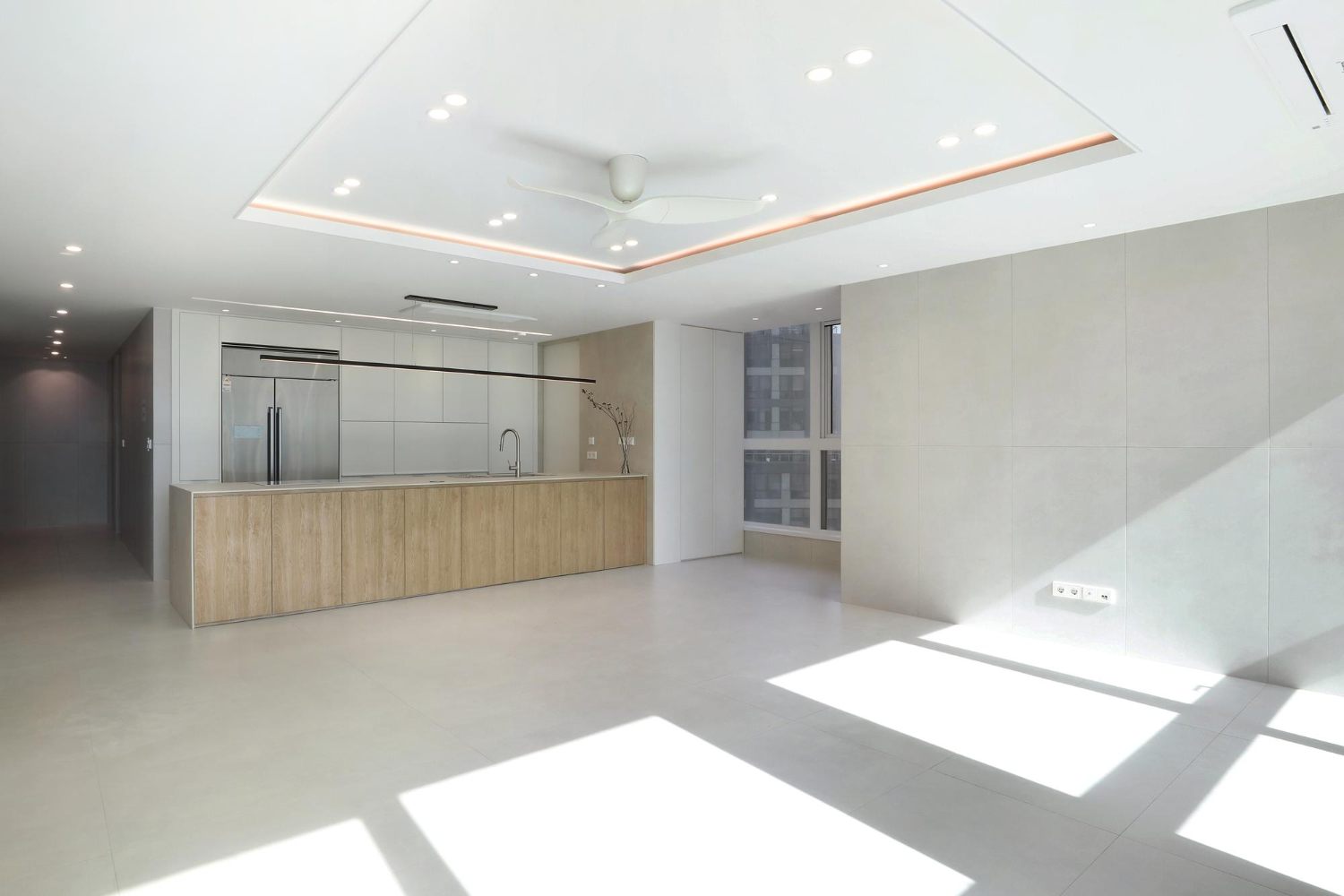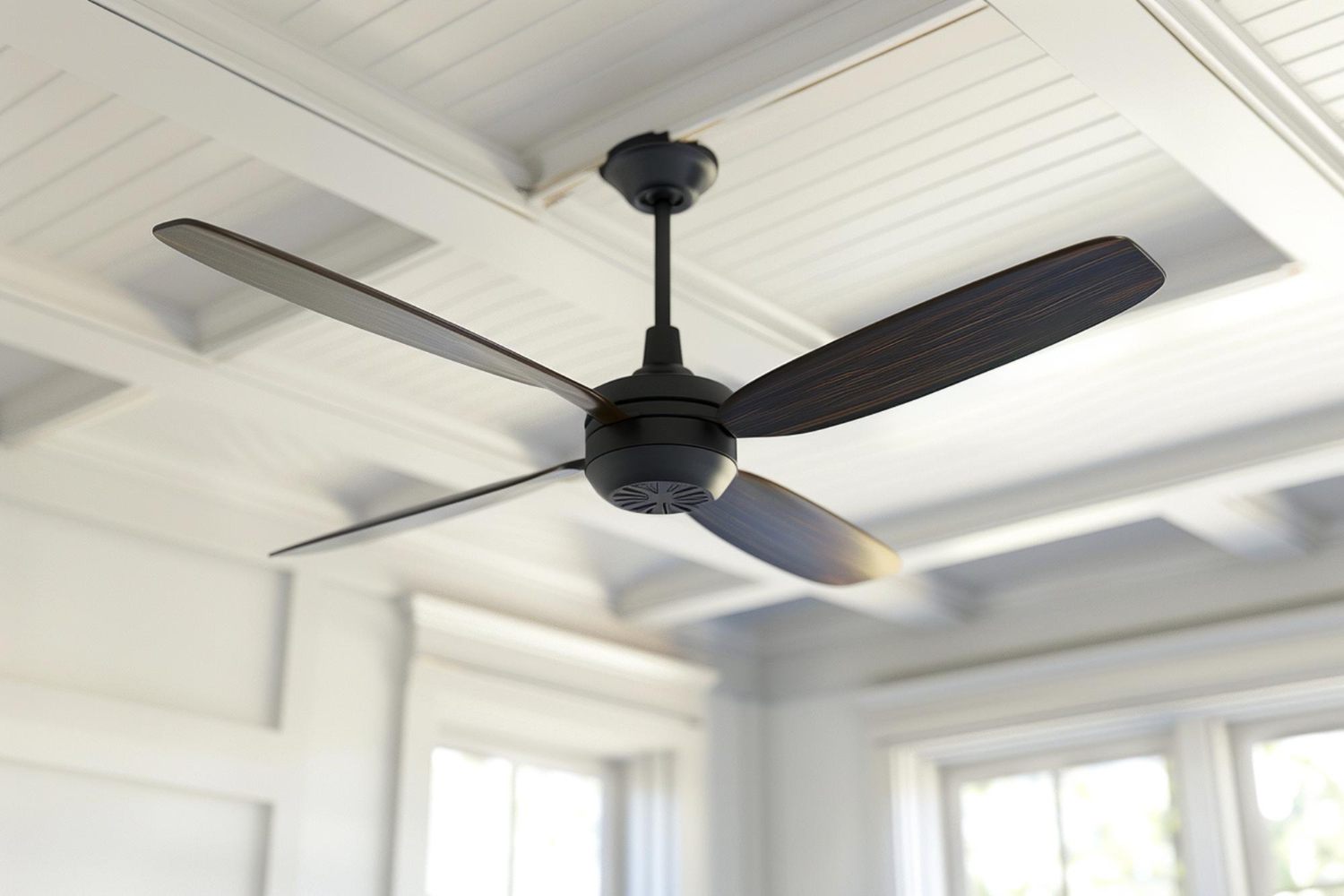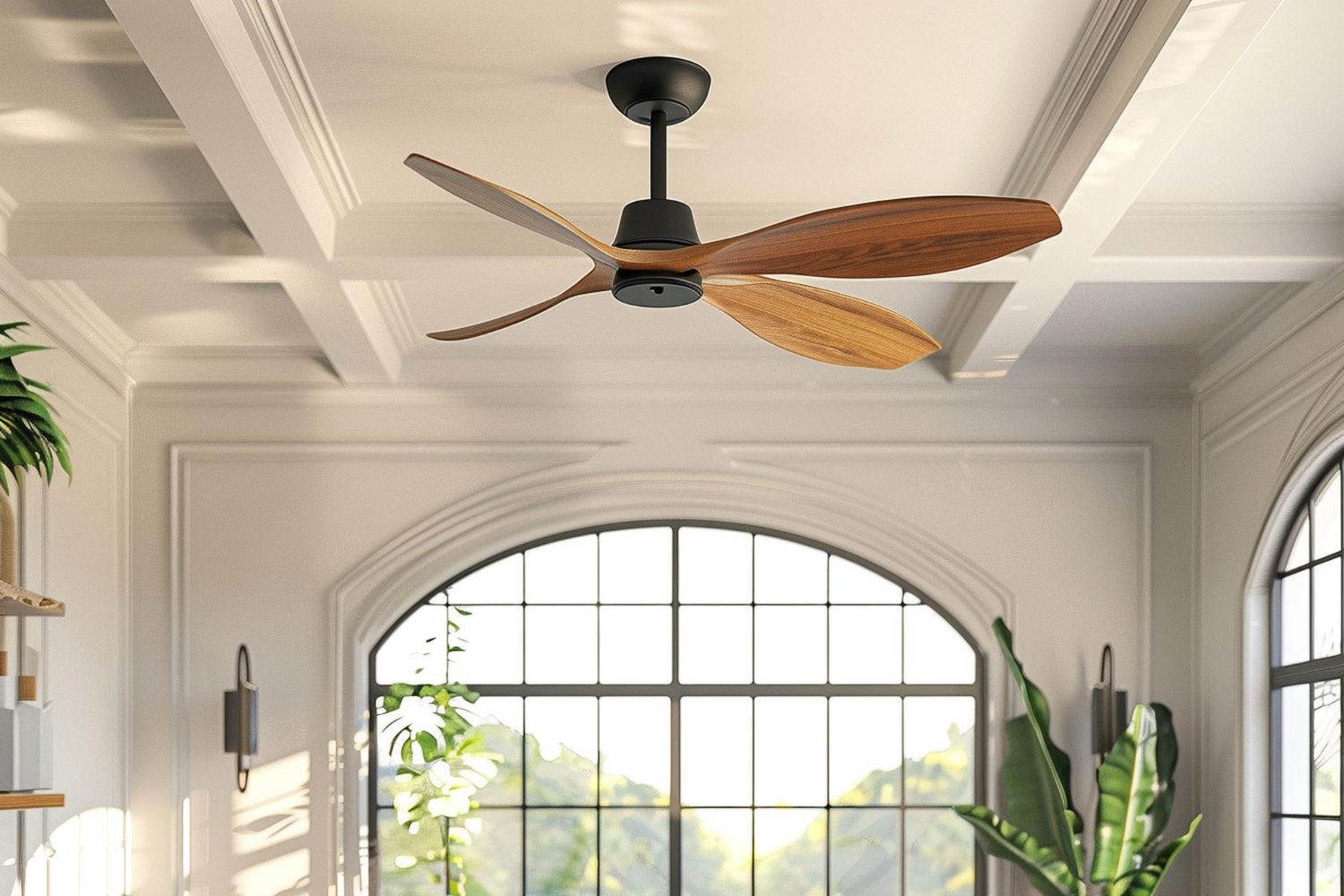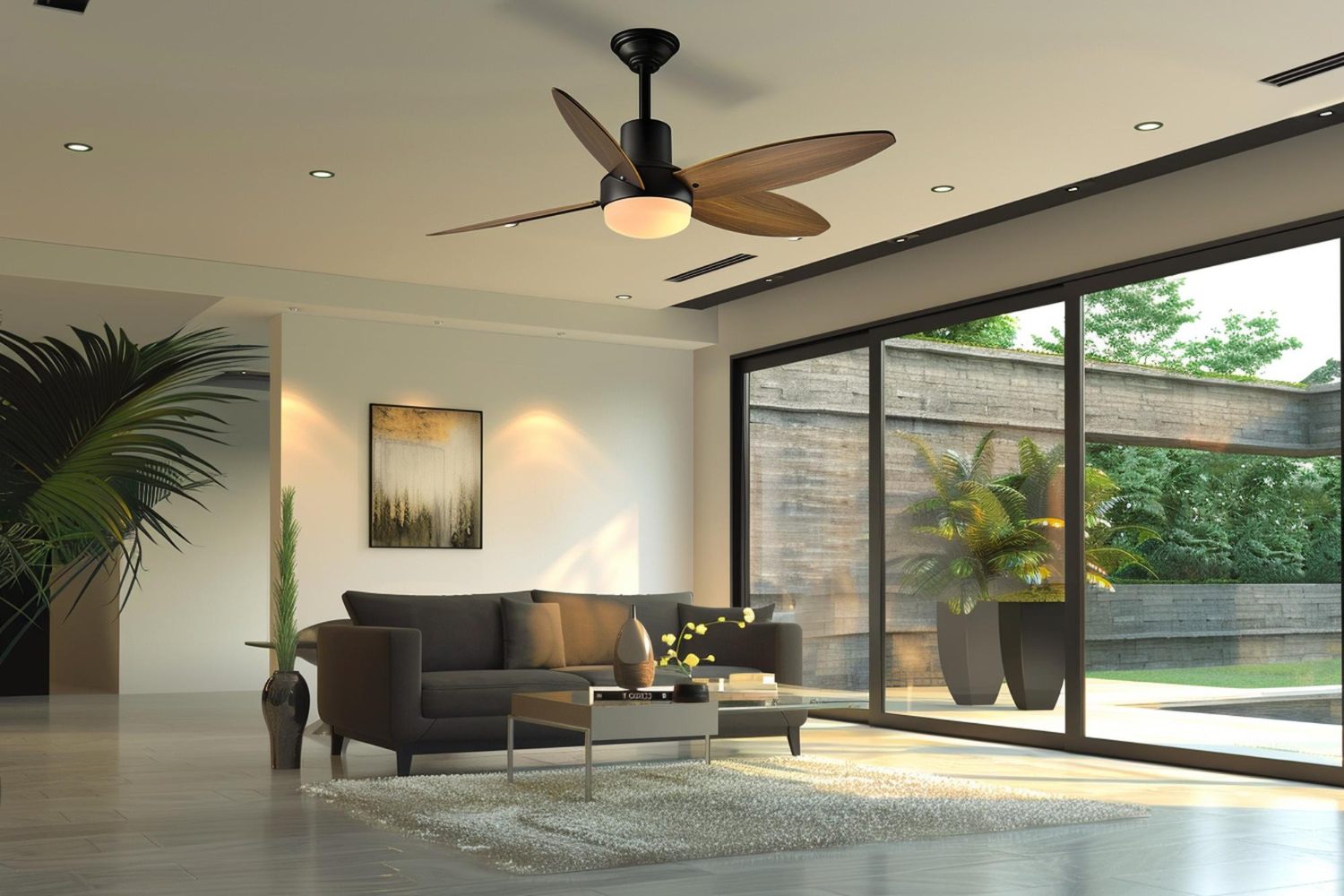
A fan is one of the most visible working objects in a room. It may sit over a dining table, define the centre of a living area, or provide personal airflow beside a desk. That visibility explains the appeal of designer fans, but appearance should be the beginning of the comparison rather than the end.
Malaysia's warm conditions make fans part of daily comfort in many homes and commercial spaces. A suitable model should move air where people use the room, fit safely within the available space, and offer controls that make sense for the routine. Finish, blade shape, and colour then help the fan sit naturally within the interior.
What “designer fan” usually means
Designer fan is a broad retail description rather than one fixed technical category. It commonly refers to a ceiling, stand, or table fan with a more considered form, finish, colour palette, or blade profile than a basic utility model. Some designs conceal functional parts, use slim housings, or combine a fan with a light.
The description does not by itself confirm airflow, energy use, noise, durability, or suitability for a room. Those points need separate evidence. Product dimensions, motor type, speed settings, control method, warranty terms, and installation instructions are more useful than a style label alone.
How a fan changes comfort
A fan does not cool a room in the same way as air conditioning. Its moving air can help moisture evaporate from the skin and make occupants feel more comfortable. The effect is strongest when airflow reaches the occupied area rather than circulating above furniture or into an unused corner.
Ceiling height, room shape, blade span, fan speed, and mounting position all influence the result. A larger fan is not automatically better. In a compact room, an oversized model can look heavy or create uncomfortable air movement at higher settings. In a broad open area, a small decorative fan may have to run faster and still leave weak zones.
For a closer look at proportions, start with the ceiling fan size guide and the explanation of blade span and airflow.
Choosing between ceiling, stand, and table formats
Ceiling fans free up floor space and distribute air across a wider fixed area. They suit rooms where permanent installation is practical and the ceiling provides safe clearance. Stand fans are movable and can direct air toward changing activity zones. Table fans provide closer, more personal airflow for desks, counters, or small resting areas.
No format is universally more stylish or useful. A sculptural stand fan may suit a rented home where wiring changes are undesirable. A restrained ceiling fan may integrate better into a finished living room. The guide to ceiling, stand, and table fans compares the day-to-day trade-offs.
What to compare before buying
Begin with the room measurements and intended position. Note the ceiling height, distance from walls and fittings, furniture layout, and where people normally sit. Then compare blade span or fan dimensions, speed range, control type, direction settings, stated power input, and any published airflow information.
Motor choice can affect controls, efficiency, sound character, and purchase price. DC ceiling fans commonly offer several speed steps and remote operation, while AC models may use simpler controls and familiar servicing arrangements. Neither label guarantees a quiet or durable product. The DC versus AC fan guide explains what changes in practical use.
Colour and finish deserve a deliberate decision, especially for a permanent ceiling fixture. Consider how the housing relates to lights, handles, furniture, and ceiling colour. For examples of the formats, sizes, blade counts, colours, and control features a shopper may encounter, this design fan Malaysia collection can be used as a comparison reference. Confirm current specifications and installation requirements on the individual product page before deciding.
Checks to make before installation
A ceiling fan needs a suitable mounting point, adequate clearance, and correct electrical work. Do not assume an existing light point or old fan hook is automatically suitable for a different model. Ask a qualified installer to assess the support, wiring, regulator or receiver requirements, ceiling condition, and access for future maintenance.
Check what is included in the quoted price. Delivery, assembly, removal of an old fan, new wiring, high-ceiling access, balancing, and making good may be separate. Keep the receipt, model information, warranty conditions, and remote-control details. For portable fans, check base stability, guard spacing, cable routing, and whether controls are easy to reach.
Before confirming the order, write down the exact model, colour, blade span, light option, and control type. Similar-looking variants can have different dimensions or included accessories. A clear written record helps the retailer, installer, and buyer work from the same specification.