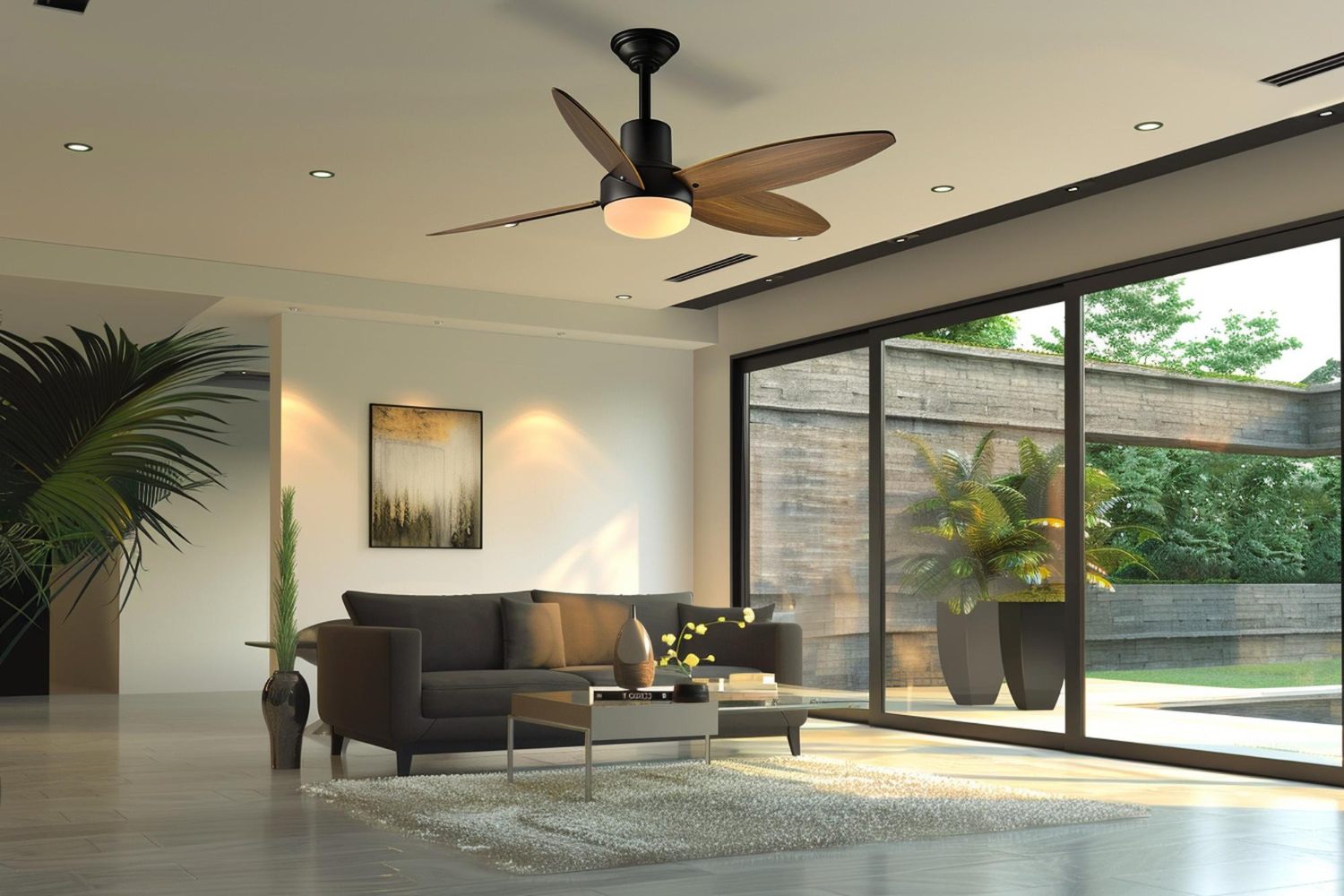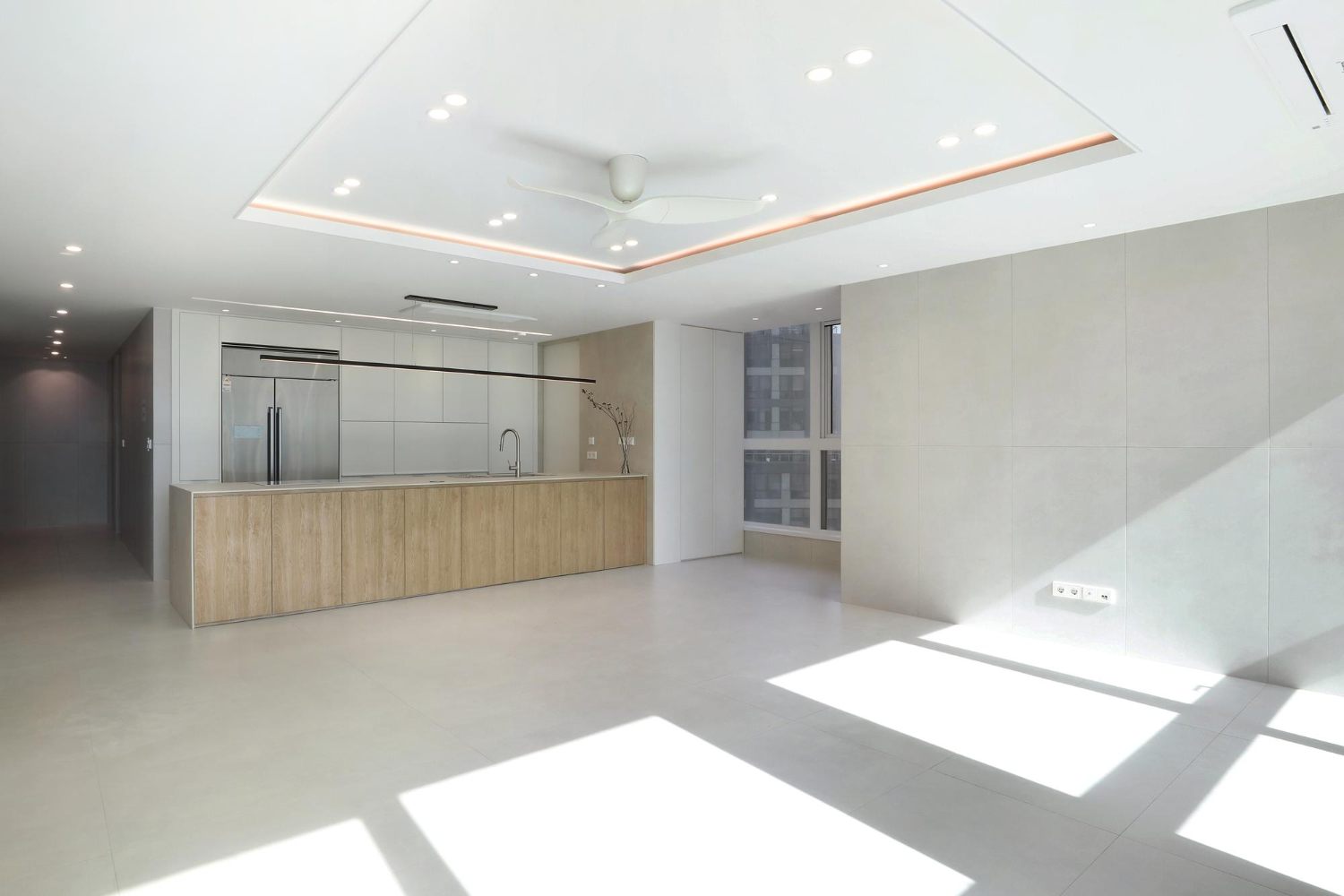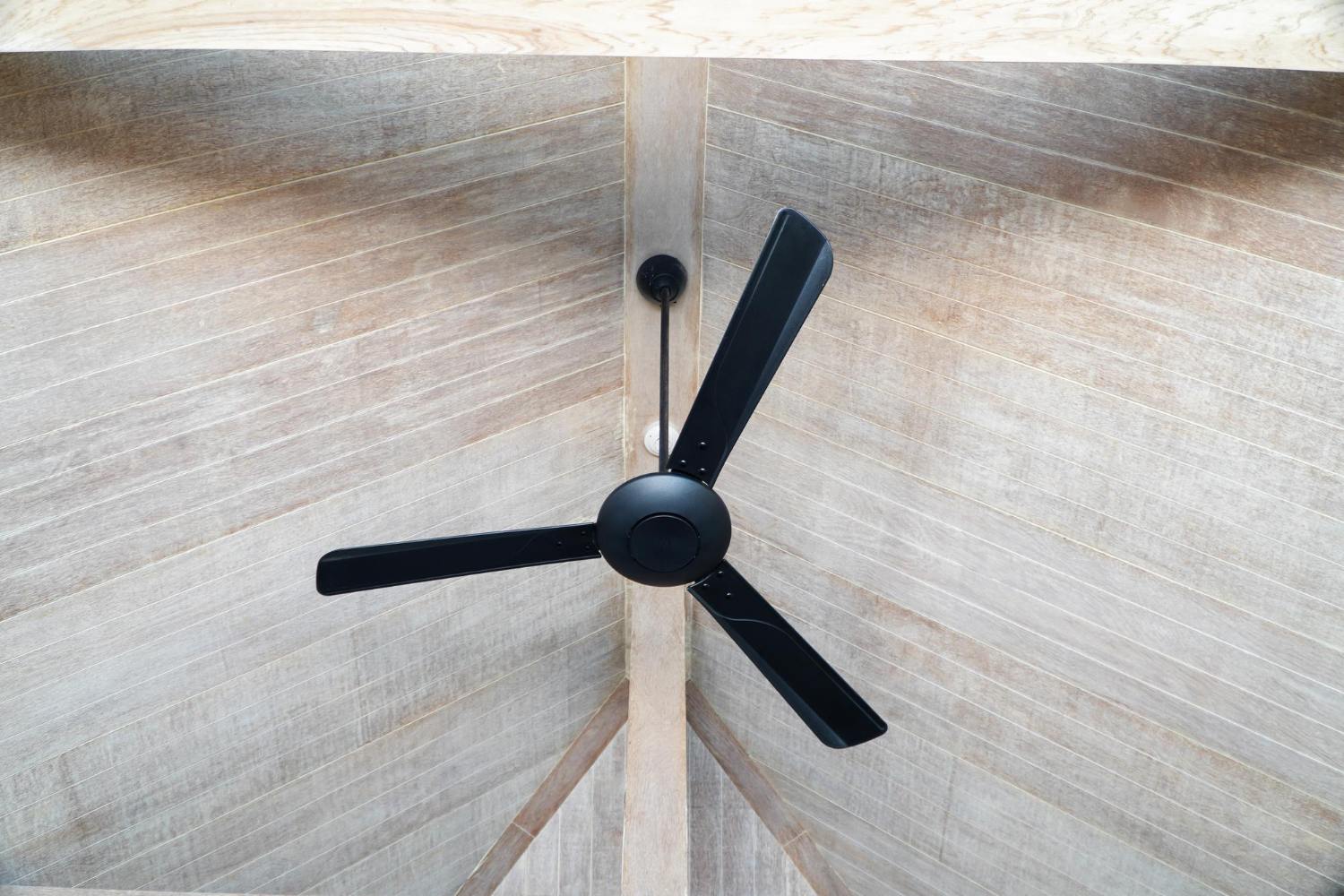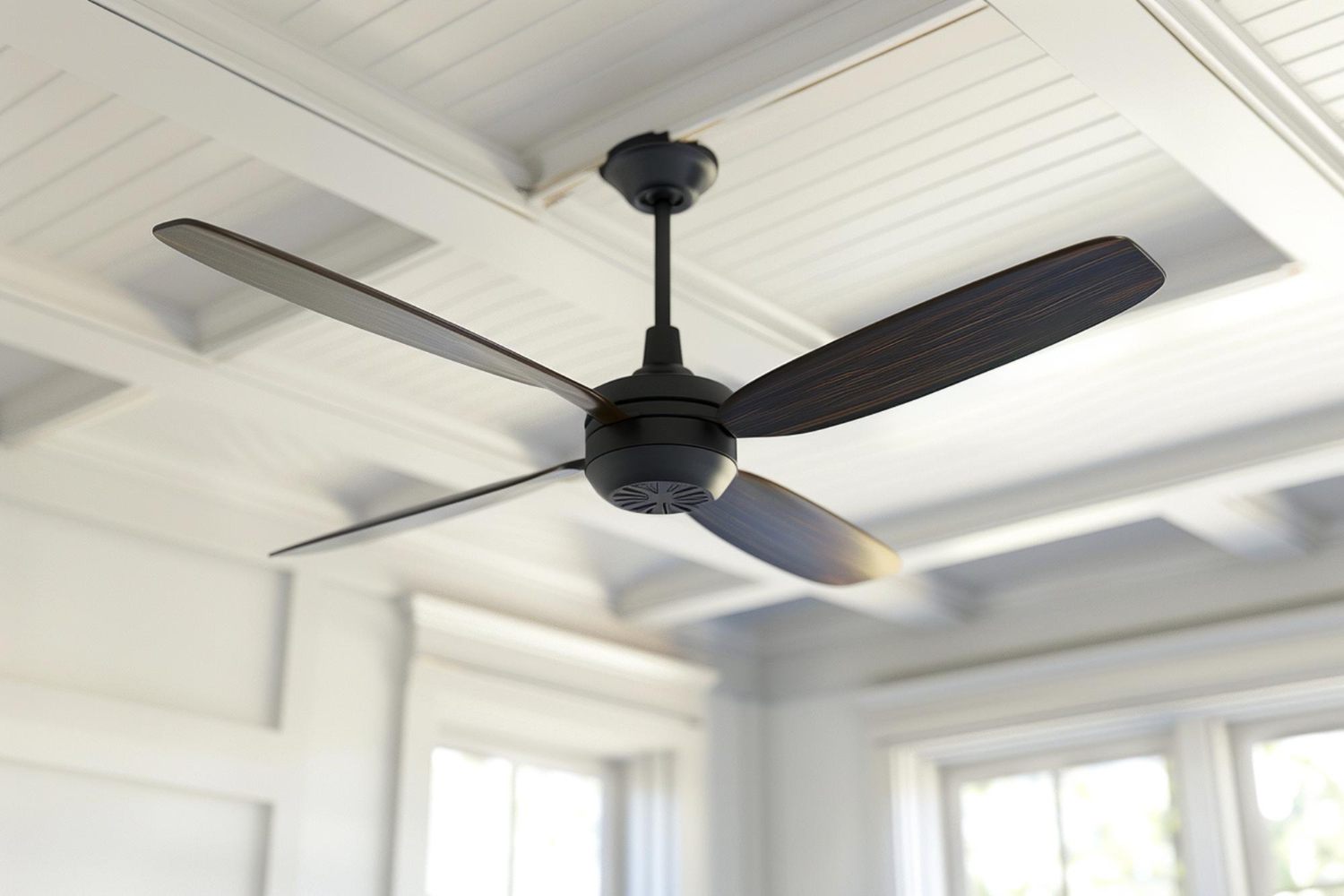
DC ceiling fans are often presented as the newer option, while AC fans are treated as the familiar standard. The distinction is useful, but it can become an oversimplified buying rule. Two models with the same motor category may differ in blade design, electronics, controls, build quality, installation, and warranty support.
A practical comparison asks what will change in the room: how the fan starts, how many speed choices it offers, how it is controlled, what happens after a power interruption, and how easily parts or service can be obtained.
The basic motor difference
An AC fan uses alternating-current power to drive its motor, typically through a design intended for the building supply. A DC fan uses a motor controlled by electronic components that convert and manage the incoming power. This electronic control can support efficient operation and a wider range of speed settings.
Consumers do not need to become motor engineers to compare products. The important information is the complete model specification: stated power input, speeds, airflow data, control method, dimensions, warranty, and installation instructions.
Controls, speed range, and routine
Many DC fans use a remote control and offer several speed steps. Some include reverse operation, timers, or integration with a light. This flexibility can be useful in a bedroom, where a very low setting may be preferred at night and a stronger setting used in the afternoon.
AC fans may use a wall regulator, pull control, remote, or a combination depending on the model. A wall control is difficult to misplace and may feel more straightforward in a rental unit or frequently used common area. Remote-based systems are convenient, but owners should know how to replace or pair the handset and receiver.
Check what the fan does when power is restored. Some models remember the previous setting; others return to a default. That small behaviour can affect daily convenience, especially when the wall switch is used regularly.
Energy use and sound need model-level evidence
DC motors are commonly selected for lower power use, particularly when a fan runs for many hours. Actual consumption depends on the model and selected speed. Compare stated watts at relevant settings rather than assuming every DC fan uses less electricity than every AC fan.
Motor type can influence sound, but installation and condition are equally important. Blade imbalance, loose fasteners, a moving canopy, worn components, or an unsuitable mounting point may produce noise in either type. Air movement itself also creates sound, especially at high speeds.
If airflow is the priority, read the blade size and airflow guide. A quiet motor is of limited value if the fan must run at its highest setting because the selected size does not suit the room.
Installation, electronics, and long-term ownership
Installation requirements vary by model. A DC fan may include an electronic receiver that needs space within the canopy and must be wired correctly. An AC replacement may not be a direct swap if the old regulator, wiring, hook, or ceiling support is unsuitable.
Ask what the warranty covers: motor only, electronic components, remote, labour, transport, or on-site attendance. Find out whether replacement handsets and receivers are stocked and how a fault is diagnosed. A longer headline warranty can still have important exclusions.
Cleaning and routine checks are similar. Switch off power, follow the manual, keep blades clean, and investigate new wobble or noise rather than allowing it to continue. Owners should not open electrical components themselves.
Power interruptions and voltage conditions can also shape the experience of electronically controlled appliances. Ask the seller or installer what protective arrangements the manufacturer requires and whether the warranty has installation conditions. This is more useful than assuming that a newer control system is either fragile or maintenance-free.
When comparing cost, include the complete installed price and likely accessories. A lower fan price may be offset by a separate remote receiver, compatible wall control, downrod, or additional wiring. Conversely, a model with more included controls may cost more initially but need fewer extras. Ask for an itemised quotation so the comparison is fair.
Which type is more suitable?
A DC model may suit someone who values low-speed control, remote convenience, and efficient long-hour operation. An AC model may suit a user who prefers a simpler control arrangement or has access to familiar local servicing. The individual product and support arrangement matter more than choosing a motor label in isolation.
Return to the designer fans in Malaysia guide to place motor choice alongside room size, format, finish, and installation. A well-matched fan is the outcome; motor type is one part of getting there.
For a frequently used bedroom, prioritise comfortable low settings, simple night-time control, and predictable operation. For a shared living area, clear wall control and easy replacement support may carry more weight. The same motor type does not need to be used in every room.